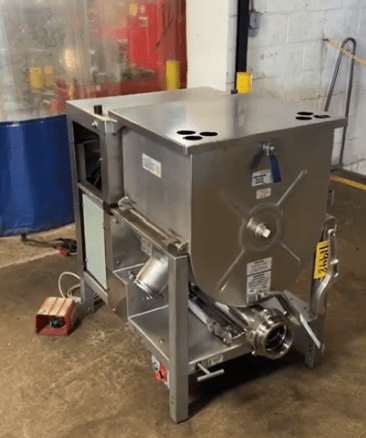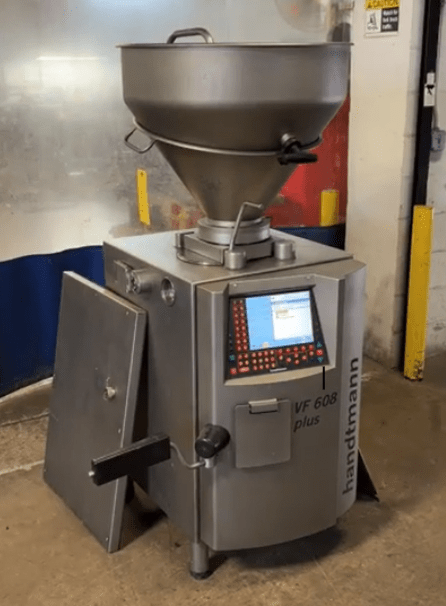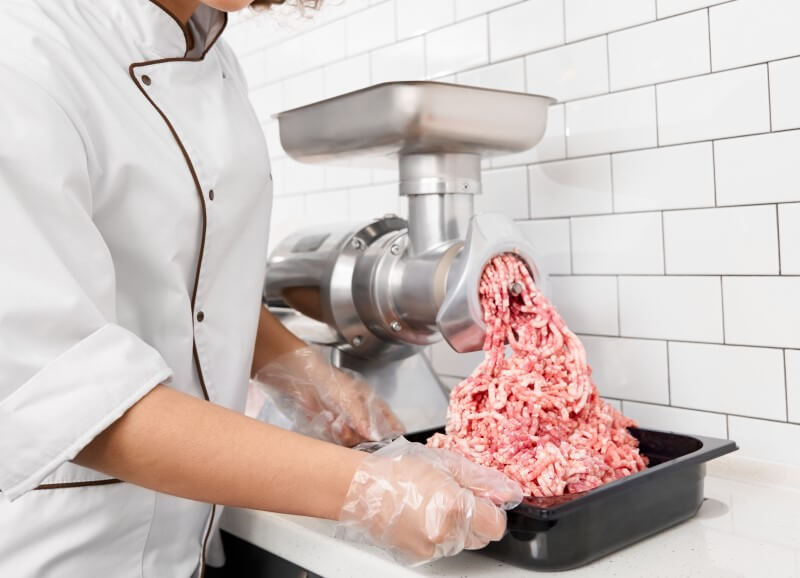
A commercial meat tenderiser is the unsung hero that makes all the difference in the meat processing and food production line. It not only improves the meat texture but also helps keep enough moisture to absorb the marinades and reduce the prep time, all while keeping the quality of meat consistent.
But like any piece of industrial equipment, meat tenderisers can also produce poor results if not correctly maintained. Small mistakes in operation, cleaning or even maintenance can add up quickly to affect the performance, hygiene and lifespan of your machine.
Here’s a look at some of the most common mistakes to avoid when using a commercial meat tenderiser and how a few simple tricks can reduce your labour and ensure quality.
1: Skipping the Pre-Check and Setup
It’s easy to rush into production when there’s a busy line ahead, but skipping a basic pre-check can lead to serious issues. Always make sure your tenderiser is properly assembled, blades are locked in place and safety guards are secured before starting.
We should verify that all electrical connections are stable and that the machine is free of any leftover debris or meat from the previous run. This not only prevents contamination but also reduces mechanical strain during operation.
A quick inspection before each shift saves thousands of pounds and hours of labour.
2: Using the Wrong Type of Meat or Cut
Not all cuts of meat respond the same way to tenderising. Some lean cuts like chicken breast or pork loin require slow and lighter passes, while beef rounds or brisket are tough cuts. These cuts required deep tenderising.
Forcing delicate meats through the machines with heavy pressure can damage the texture and lead to uneven product. Similarly, undertenderising the tough cuts delivers less desired softness and quality.
It is important to know the setting of each commercial tenderiser and how to adjust the blades, keeping the type of meat in mind. It is important to keep the perfect balance between tenderness and structure.
3: Neglecting Proper Cleaning and Sanitation
One of the biggest mistakes operators make is not cleaning the commercial equipment properly after every use and letting the meat particles accumulate in the tenderiser. The fat residue and small meat particles build contamination and hygiene risks on the blades with potential equipment damage. It is important to properly clean the equipment in a routine that includes
- Powering off and unplugging the machine before disassembly.
- Removing blades and feeding components for deep cleaning.
- Sanitising all contact surfaces with food-safe cleaners.
- Allowing parts to air dry completely before assembly.
Regular maintenance keeps the tenderisers compliant with food safety standards and ensures smooth operation shift after shift.
4: Maintenance of Blade
Blades are very delicate in tenderisers. They need to be clean and maintained regularly. Over time, they can dull or misalign the equipment, which results in uneven cutting of meat. Dull blades never produce quality meat and texture. This only causes the motor or drive system to become overworked.
It is important to schedule a regular blade inspection and sharpening based on usage frequency. If your machine operates daily, a weekly check is ideal. Always use manufacturer-approved replacement blades and floor torque settings when reassembling.
Well-maintained blades mean clean cuts, efficient processing and better product yield.
5: Overlooking Operator Training
Automated commercial tenderisers need qualified operators in order to deliver the best results. Lack of training can lead to operational errors and safety incidents. It is very important that the operator is properly equipped with all the commercial training to troubleshoot the noise, irregular vibrations and performance changes immediately. Further, early detection of the error by the operator is significant to prevent further damage to equipment and meat.
6: Overloading the Machines
Every tenderiser has its own capacity, and overloading the equipment with meat leads to damage. Overloading increases the risk of uneven tenderising of the meat, and quality is not maintained in the meat structure.
It is very important to keep meat portions uniform and appropriate while performing the tenderising process. This maintains both performance and product quality while extending the life of equipment.
Our Expert Team at M&M Equipment
A commercial meat tenderiser is an investment that guarantees quality in meat production. Avoiding these commercial practice mistakes can ensure consistency in meat quality and safe operations.
Our expert team at M&M Equipment understands that reliability matters. That’s why we offer high performance tenderizers from trusted global manufacturers, backed by expert support and guidance. If you are waiting to upgrade your meat tenderisers, contact us and we will make sure your equipment works with optimal performance.