Hygiene is absolutely important in the food industry, and poultry is no exception. From raw material to handling to final packaging, every surface, blade and conveyor belt must be designed to prevent contamination. Because poultry is highly susceptible to bacteria such as Salmonella and Listeria, equipment design plays a vital role in maintaining food safety standards. Modern poultry machinery embraces hygienic design principles, using stainless steel construction and clean-in-place (CIP) systems to make cleaning and sanitation faster, safer and more reliable.
Hygienic Design Matters
Hygienic design is more than just easy cleaning; it’s about preventing bacteria from taking hold in the first place. In high-volume poultry processing environments, equipment comes into contact with raw proteins, moisture and fats that can quickly become breeding grounds for microorganisms if not properly managed.
Traditional equipment often had crevices, bolts and hard-to-reach corners that trapped debris. Cleaning them requires hours of manual labour and still risks cross-contamination. Hygienically designed equipment eliminates those problem areas by focusing on smooth surfaces, minimal joints and corrosion-resistant materials.
Stainless Steel in Poultry Equipment
Stainless steel is the backbone of hygienic poultry processing. Its non-porous, corrosion-resistant surface prevents moisture absorption and bacterial build-up. It also frequently withstands exposure to cleaning chemicals without rusting or degrading. In poultry, painted or coated metals are not allowed.
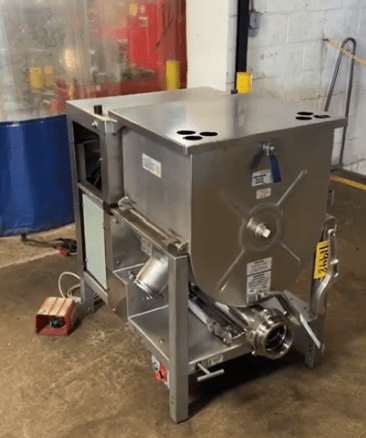
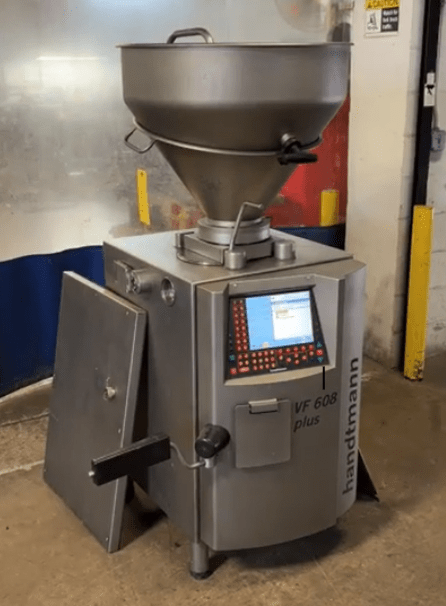
In addition to durability, stainless steel surfaces are smooth and easy to sanitize. Equipment like mixers, grinders, slicers and even formers are built from stainless steel to ensure seamless sanitation. This not only improves product safety but also extends the lifespan of consistent performance under demanding conditions.
Automation Meets Hygiene
There is a system CIP (Clean In Place) that revolutionized cleaning in poultry processing plants. Instead of disassembling equipment every day for manual scrubbing, CIP uses automated spray nozzles and circulation pumps to clean internal surfaces with water and approved sanitizing agents.
Key benefits
- Reduced labor and downtime, allowing staff to focus on production.
- Consistent results meeting the same high standards.
- Water, chemical efficiency to manual cleaning methods.
- Enhanced safety leads to lesser risks.
By integrating the CIP system into the poultry processing industry, the facility not only improves hygiene but also optimises productivity and sustainability.
Preventing Bacterial Growth Through Design
Every feature of hygienic poultry equipment is engineered with sanitation in mind: sloped surfaces for water drainage, sealed welds instead of bolts and rounded corners to prevent residue accumulation. Airtight enclosures protect motors and electronics from moisture, while open-frame structures ensure full visibility and easy access during inspections.
In modern industry, having a proper system for hygiene is the way forward for success. It is a competitive advantage. Having stainless steel construction and a clean-in-place system makes it possible to maintain impeccable sanitation without compromising efficiency. By investing in hygienically designed equipment, processors protect both their products and products through redefining brand quality and hygiene standards.