The Beef Boom, Tariff Changes and What They Mean for the Meat Industry
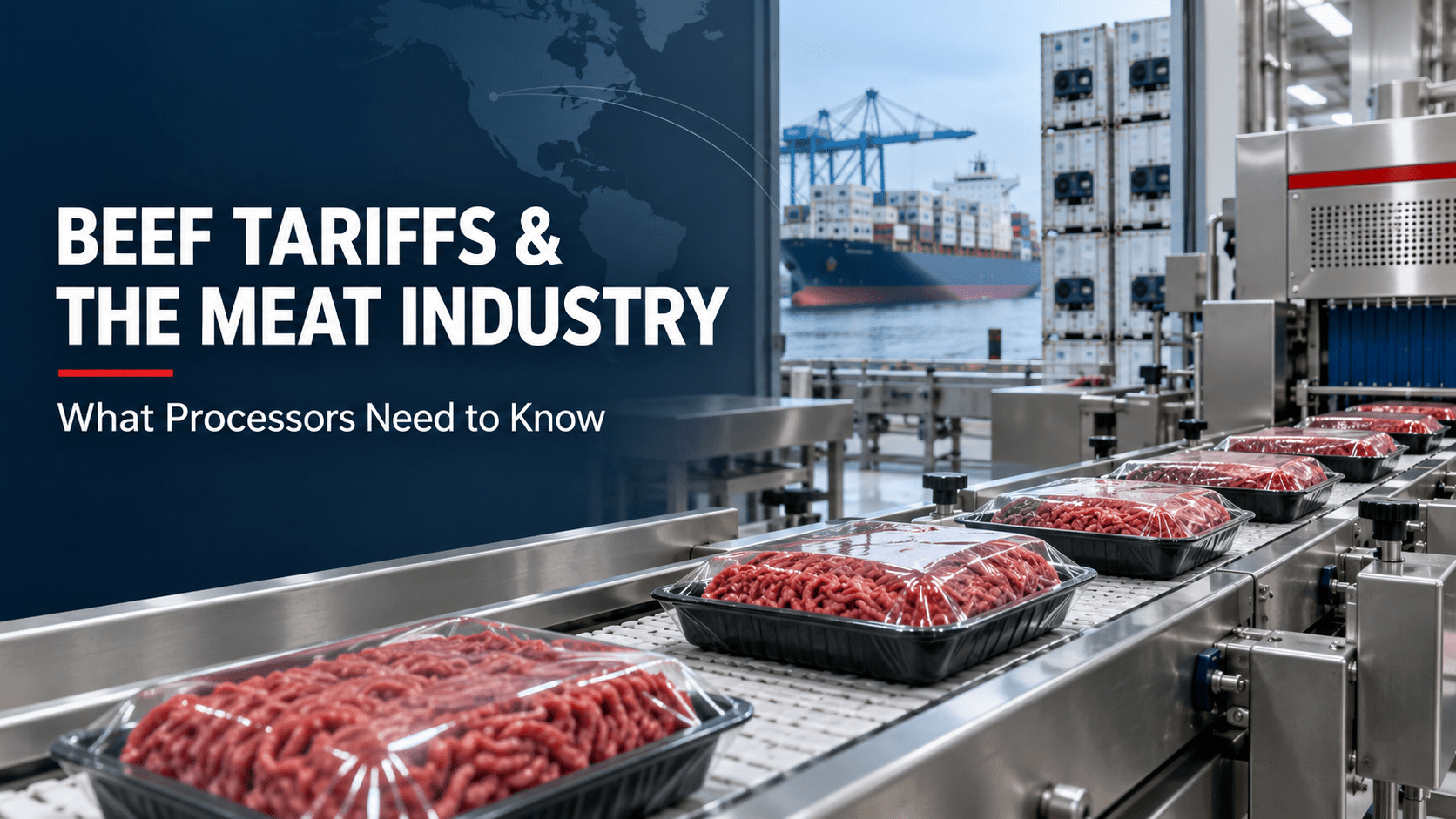
The U.S. beef industry is experiencing an unusual combination of strong consumer demand, limited cattle supplies and record-high prices. In response, the federal government is temporarily expanding access to imported lean beef at lower tariff rates—a decision that could affect ranchers, processors, retailers and equipment demand across the meat industry.
Beginning September 1, 2026, the expanded quota will allow up to 100,000 tons of lean beef trimmings to enter the United States each month for 90 days without the higher, above-quota tariff. The imported trim is intended primarily for blending with domestic beef to produce ground beef. According to the White House fact sheet, the policy encourages participating suppliers to sell the beef at a 25% discount from the current import price.
Why Beef Prices Remain High
Tariffs are only one part of the beef-price equation. The larger issue is a shortage of cattle.
Years of drought, elevated feed costs and other production challenges have reduced the U.S. cattle herd to its lowest level in decades. Restrictions on live cattle imports from Mexico, introduced to limit the spread of New World screwworm, have added further pressure to an already tight supply.
The USDA’s August cattle and beef outlook forecasts U.S. beef production at approximately 24.97 billion pounds in 2026. That represents a decline from 2025, even as consumer demand remains strong. USDA has also increased its beef-import forecast for both 2026 and 2027.
This imbalance between supply and demand is creating high cattle prices for producers but difficult operating conditions for meatpackers. When fewer cattle are available, processors may be forced to reduce shifts, operate plants below capacity or consolidate production.
Ground Beef Could See the Greatest Impact
Because the expanded quota applies specifically to lean beef trimmings, its most noticeable effect is likely to be in the ground-beef market.
Imported lean trim is commonly blended with fattier domestic beef to achieve the desired lean-to-fat ratio. Increasing the supply of trim could lower raw-material costs for companies producing hamburger, patties, meatballs, prepared meals and other ground-beef products.
Retailers and foodservice operators may receive some price relief, but consumers should not expect all beef prices to fall immediately. The policy does not significantly increase supplies of steaks, roasts or other whole-muscle cuts. Transportation, labor, packaging, energy and processing costs will also continue to influence the final retail price.
A Mixed Outlook for American Ranchers
The policy has received strong criticism from cattle-industry groups. The National Cattlemen’s Beef Association argues that an influx of lower-priced imported beef could weaken cattle prices just as ranchers are beginning to rebuild their herds.
The greatest pressure may fall on the cull-cow market because imported lean trim competes most directly with beef from older cows. Lower cull-cow values could reduce an important source of income for cow-calf producers.
There is also a longer-term concern. Strong cattle prices encourage ranchers to retain heifers and expand their herds. If temporary trade policies make future prices less predictable, some producers may delay those investments. That could slow the herd-rebuilding process and extend the country’s beef-supply shortage.
Opportunities for Meat Processors
For grinders and further processors, additional trim availability could create new opportunities. Companies may be able to increase production, introduce value-priced products or improve operating margins if lower import costs reach the processing level.
The change may also increase demand for:
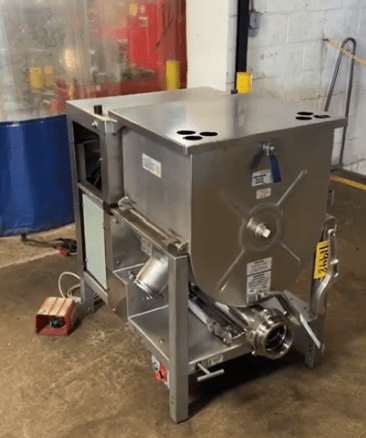
- Industrial grinders and mixer-grinders
- Meat mixers and blenders
- Patty-forming and portioning equipment
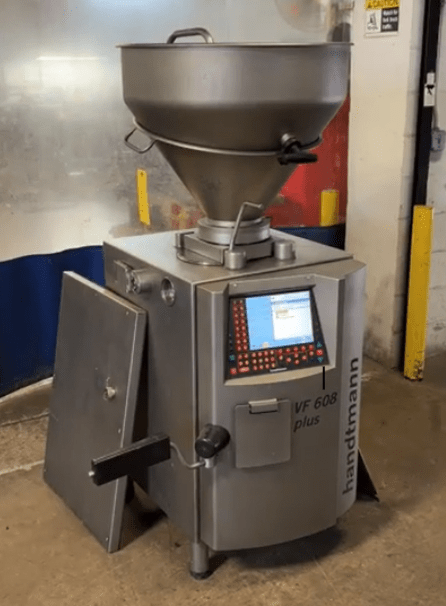
- Vacuum stuffers and forming systems
- Packaging and labeling machinery
- Metal detection and inspection equipment
- Freezing, conveying and material-handling systems
Processors should remain cautious, however. The expanded quota lasts only 90 days, making long-term production planning difficult. Companies will need to closely monitor import availability, cattle prices, freight costs and customer demand before making major commitments.
Imported beef also requires careful attention to traceability, inspection and labeling. Beef imported into the United States must satisfy federal food-safety requirements, and companies must ensure their packaging and marketing accurately reflect the product’s origin.
The Broader Effect on the Meat Industry
The tariff change may affect more than beef. If ground-beef prices moderate, beef could become more competitive with pork and poultry. If prices remain high, restaurants and consumers may continue shifting toward chicken, pork or smaller beef portions.
Meanwhile, U.S. meat imports were already increasing before the latest policy. USDA data showed total imported meat passed for entry through mid-August 2026 was approximately 13% higher than during the same period in 2025. That trend points to an increasingly global supply chain for American meat processors.
What Comes Next?
The temporary tariff expansion may provide short-term help for ground-beef processors and consumers, but it does not solve the industry’s central problem: the United States needs more cattle.
Rebuilding the domestic herd will take time. Ranchers need favorable weather, manageable input costs and enough confidence in future cattle prices to retain breeding animals. At the same time, processors need dependable supplies to keep plants operating efficiently.
For the meat industry, the next several months will bring both opportunity and uncertainty. Increased access to imported trim could support ground-beef production, improve plant utilization and stimulate investment in processing equipment. However, market volatility and concerns about domestic herd growth will remain.
The companies best positioned to succeed will be those that can adjust production quickly, control operating costs and respond to changing supplies without sacrificing food safety, quality or efficiency.