Finding quality used food processing equipment for sale doesn’t have to be a headache. Whether you’re replacing worn-out machinery, scaling up production, or liquidating assets, there are legitimate ways to source reliable gear at a fraction of new equipment costs.
BIRO 3334-4003FH Meat Saw
The key is knowing where to shop, what to inspect, and how to work with dealers who actually understand your operation. Let’s walk through exactly how to do this.
Where to Find Used Food Processing Equipment
You’ve got several solid options, and the best choice depends on what you’re looking for and how fast you need it.
Related: Food Processing Equipment Appraisal Services: What You Need
Related: Food Factory Equipment Liquidation: Top 5 Services Ranked 2026
Specialized Equipment Dealers
This is your first stop. Dealers who focus specifically on food processing equipment—not restaurant supplies, not small commercial kitchens—carry inventory in categories like cookers, blanchers, cutters, slicers, frying equipment, and vegetable or fruit processing machines. They know the difference between a piece that’ll last five more years and one that’s a liability.
Reputable dealers handle the boring stuff for you: equipment testing, minor repairs, and honest condition reports. They also typically offer financing options and can deliver directly to your facility. Mmequip specializes in exactly this kind of sourcing work for food manufacturers and processors throughout the Midwest, with decades of direct experience in equipment acquisition and asset recovery.
Related: Best Used Packaging Equipment to Buy in the Midwest
Online Auction Platforms
If you’ve got time to bid and the ability to arrange pickup or shipping, online auctions dedicated to food processing equipment can yield real bargains. You’ll find listings across hundreds of units in cutting and slicing equipment, vegetable and fruit processing machines, cookers, blanchers, frying equipment, and specialized tanks and hoppers.
The tradeoff: you’re buying sight-unseen unless you can inspect in person before the auction closes. Shipping industrial equipment is also expensive, so factor that into your bid strategy.
Direct Sales from Facility Liquidations
When a food processing plant shuts down or consolidates operations, everything goes. This is where you find bulk deals on conveyors, mixer-blenders, feeders, hoppers, and complete production lines. The catch is timing—liquidations don’t always happen when you need them, and competition can be fierce.
What Types of Equipment Are Actually Available
The used market for food processing equipment is deeper than most people realize. Here’s what you can realistically find:
- Cutting and Slicing Equipment: Over 120 options at any given time, from dedicated meat slicers to vegetable cutters and portioning machines.
- Cooking and Blanching: Around 70 units across cookers, kettles, blanchers, and fryers in various capacities.
- Vegetable and Fruit Processing: 113+ units including peelers, dicers, sorters, and specialized washers.
- Core Process Equipment: Mixer-blenders, feeders, hoppers, conveyors, and storage tanks are perpetually available.
- Frying Equipment: 30+ options if you’re in snack foods, breading, or deep-fried product lines.
You’re not limited to a handful of options in any category. The inventory is genuinely broad.
How to Evaluate Condition Before You Buy
Here’s where most people stumble. A piece of equipment might look fine from across the room and be absolutely broken up close.
Ask for a Full Equipment Report
A reputable dealer will provide maintenance history, last service date, known wear points, and any repairs made in the past 12-24 months. If they won’t give you this, keep looking. Evasiveness is always a red flag.
Request an In-Person Inspection
If the equipment is local or within a few hours’ drive, go see it yourself. Bring a plant manager or maintenance lead who knows what questions to ask. Look for rust, corrosion, loose bolts, leaks, and wear on moving parts. Run it if the dealer allows.
Verify Operating Hours and Capacity
Equipment that ran 16 hours a day for 10 years is not the same as equipment that ran 8 hours a day for 10 years. Total operating hours matter way more than calendar age. Also confirm the equipment matches your facility’s electrical and plumbing requirements—retrofitting industrial machinery is expensive.
Confirm Spare Parts Availability
Before you buy, find out if replacement parts are still available from the manufacturer or aftermarket suppliers. If the equipment is truly obsolete and parts are impossible to get, that “deal” can become a nightmare in six months when something breaks.
Working with Dealers: What to Expect

Not all used equipment dealers are created equal. The good ones operate with transparency, quick response times, and realistic pricing.
A solid dealer will let you visit their warehouse, answer technical questions over the phone within hours, provide references from other food processing facilities, and have a straightforward return or warranty policy. They should also be able to coordinate logistics—delivery, installation support, and sometimes even operator training.
If you’re navigating a facility upgrade or dealing with asset liquidation, working directly with a dealer like Mmequip cuts through a lot of noise. They handle appraisals, sourcing, public auctions, and disposition services, so you’re not juggling 15 different vendors.
Pricing Reality: What You’ll Actually Pay
Used food processing equipment typically sells for 30-60% of new equipment cost, depending on age, condition, and demand for that specific machine type.
Heavily specialized equipment (like a proprietary blancher built for a single processor) often costs less because fewer buyers want it. Common equipment like mixers, conveyors, and cutters holds value better because any food processor could use them.
Watch out for pricing that seems too good to be true. Equipment listed at 70-80% off comparable used models often has hidden issues. Ask why the price is so low. Transparency here is non-negotiable.
Red Flags When Buying Used Equipment
Steer clear of these situations:
- Sellers who won’t provide maintenance records or previous operating history.
- Equipment described only in photos with no chance for in-person inspection.
- Machines with visible corrosion, leaks, or obvious mechanical damage that the seller claims “doesn’t affect performance.”
- No warranty or guarantee of any kind, especially for equipment under 10 years old.
- Deals that require payment before inspection or delivery.
- Equipment from unknown manufacturers with no parts availability.
Your gut instinct matters here. If something feels off about the transaction or the seller’s responsiveness, find another option.
Logistics: Delivery, Installation, and Support
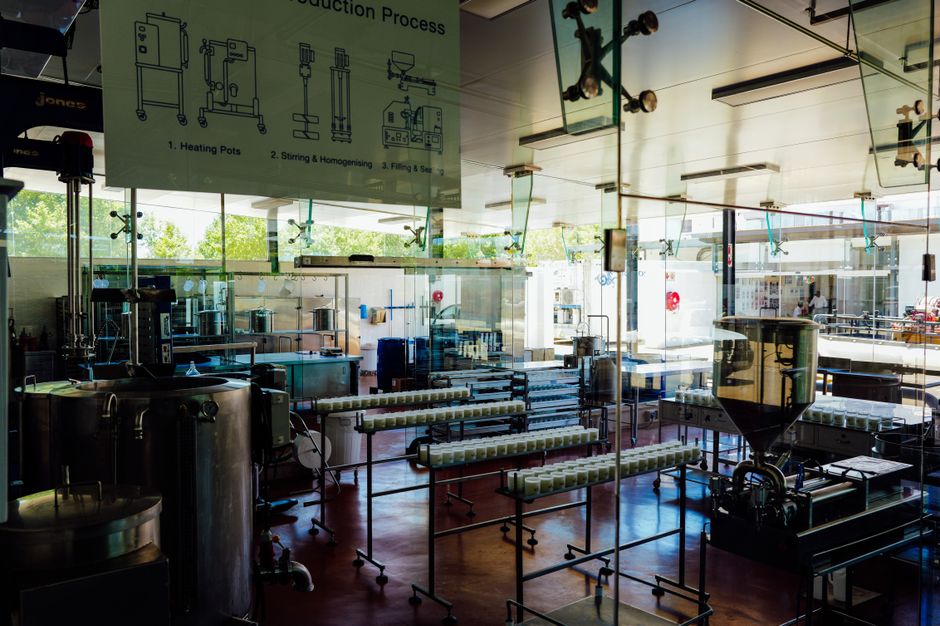
Buying the equipment is one thing. Getting it to your facility, installing it, and making sure it works is another.
Confirm upfront who handles shipping costs and logistics. For heavy equipment, this can easily run $2,000-$8,000+ depending on distance. Some dealers include delivery in their pricing; others charge separately.
Installation support varies. Some dealers will send a technician to oversee setup and verify everything runs correctly. Others hand off the equipment once it arrives at your loading dock. Make sure your expectations align before you sign anything.
Also check whether the deal includes any training for your operators. Learning curve on a new-to-you piece of equipment can be real, and having someone on site for a few hours can prevent costly mistakes.
How to Make the Final Decision
By the time you’re ready to buy, you should have:
- Inspected the equipment in person or had a trusted contact do it.
- Reviewed complete maintenance and operating history.
- Confirmed capacity, electrical requirements, and footprint match your facility.
- Verified spare parts availability for the next 5+ years.
- Gotten a clear quote including delivery, installation, and any warranty coverage.
- Checked references from other food processing plants that use the same dealer.
If all of those boxes check, you’re ready to move forward. One more thing: make sure your facility can accommodate the new equipment. Check floor space, ceiling height, electrical panels, water/drainage hookups, and any ventilation needs. A surprise $5,000 facility modification can wipe out your equipment savings fast.
If you’re unsure about any part of the sourcing or evaluation process, reaching out to Mmequip directly for guidance is worth the phone call. They’ve appraised and brokered thousands of pieces of equipment and can help you understand fair market pricing, equipment condition, and realistic performance expectations for whatever you’re looking to buy.
FAQs: Common Questions About Used Food Processing Equipment
How long does used food processing equipment typically last after purchase?
That depends entirely on the equipment’s age, maintenance history, and how hard you run it. A well-maintained cooker or mixer that’s already 8-10 years old can easily give you another 5-7 years of solid performance. Conveyors and simpler mechanical equipment often last even longer. The key is buying from a seller who knows the full service history and can honestly tell you what wear points to expect. Budget for routine maintenance and be prepared for repairs within the first year as equipment adjusts to your facility’s conditions.
Is it better to buy from a dealer or a direct liquidation sale?
Dealers offer convenience, warranties, and someone to call if something breaks. Liquidations offer lower prices but zero support after the sale. For mission-critical equipment, a dealer is worth the premium. For secondary or backup machines, liquidations can work if you inspect carefully and have in-house maintenance expertise to handle repairs.
What warranties do used equipment dealers typically offer?
This varies wildly. Some dealers offer 30-90 day “as-is” warranties with no support. Better dealers provide 6-12 month warranties covering mechanical failures, with phone support included. The best dealers inspect and test equipment before sale and stand behind their inventory. Always ask about warranty details before purchase and get everything in writing.
Can I negotiate pricing on used food processing equipment?
Absolutely. Especially for higher-value equipment or bulk purchases, dealers expect negotiation. If you’re buying multiple pieces or have cash ready, there’s almost always room to talk. The worst they’ll say is no. But base your negotiation on market research and comparable listings, not wishful thinking. A fair offer gets a faster yes than lowball haggling.