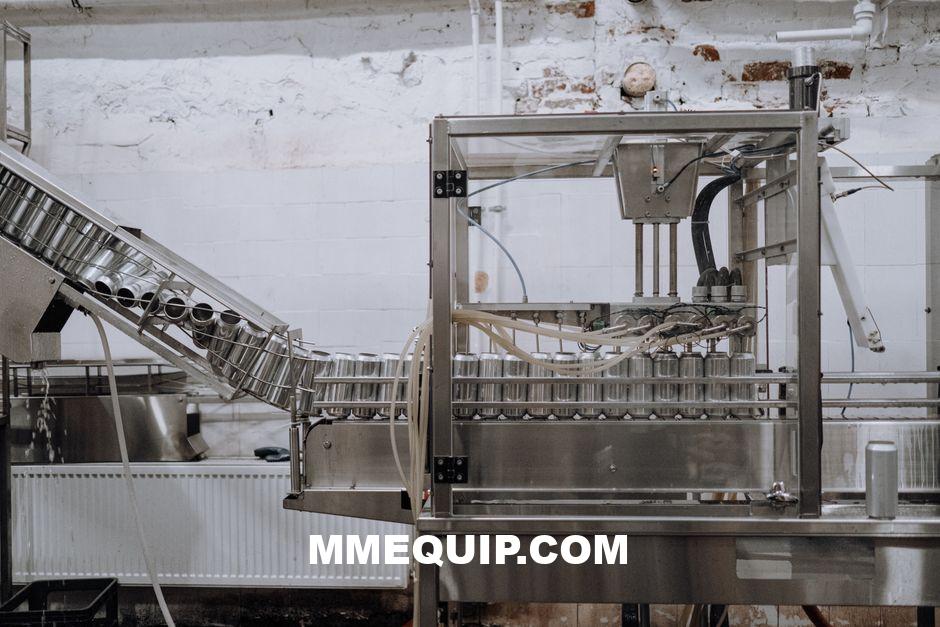
When your food manufacturing operation has surplus equipment sitting idle, the clock is ticking on lost capital. Equipment depreciates fast, storage costs pile up, and managing disposal internally drains resources away from production. You need a partner who understands both the equipment and the market for it.
We’ve reviewed the major asset recovery specialists in the food manufacturing space to help you make a smart choice. Whether you’re downsizing, closing a facility, or upgrading your production line, the right liquidation partner can recover 30-60% more value than going it alone. Here’s what separates the leaders from the rest.
The Comparison Table
| Provider | Best For | Rating |
|---|---|---|
| Mmequip | Full-service recovery & liquidation | ★★★★★ |
| EEC (Equipment Experts Corp) | Food processing specialists | ★★★★ |
| Liquidity Services | High-volume multi-sector auctions | ★★★★ |
| Machinery Values | Valuation & appraisal focus | ★★★ |
| Local industrial salvage yards | Quick cash, low overhead | ★★ |
1. Mmequip: Our Top Pick
Why it wins: Mmequip stands apart because it combines hands-on expertise with a genuinely transparent process. They buy, sell, and appraise used and new food processing machinery with decades of industry experience behind every transaction. Direct phone access, on-site inspections, and documented valuations mean no surprises and no runaround.
Pros:
- Direct acquisition and disposition services: They’ll buy your equipment outright or broker it to the right buyer, cutting out middlemen
- Documented professional appraisals that hold up under scrutiny and support your accounting
- Rapid response and real people who actually visit your facility
- Deep food manufacturing equipment knowledge (think mixers, cookers, conveyors, depositors, not generic industrial gear)
- Flexible engagement: whether you need a one-time liquidation or ongoing asset management, they scale with your needs
Cons:
- Smaller network than mega-auction houses; may not achieve rock-bottom prices for very common equipment in saturated markets
Best for: Mid to large food manufacturers seeking personal attention, speed, and fair market value. Also ideal if you have a mix of equipment types and want one firm to manage the whole recovery.
2. EEC (Equipment Experts Corp)
Why it’s strong: EEC has built a solid reputation focusing exclusively on food processing equipment liquidation. Their specialization means they know the buyers and the real-world resale markets better than generalists.
Related: Used Food Processing Equipment for Sale: Where to Buy
Pros:
- Industry-specific expertise; they’ve handled hundreds of food facility closures and expansions
- Established buyer networks in the food manufacturing sector
- Consultative approach to recovery strategy, not just quick disposal
Cons:
- Narrower service scope; if you have non-food equipment mixed in, you’ll need another partner
- Longer timelines for appraisals compared to competitors with faster turnaround guarantees
Best for: Facilities closing entirely or doing a major production overhaul where food-only equipment is the focus.
3. Liquidity Services
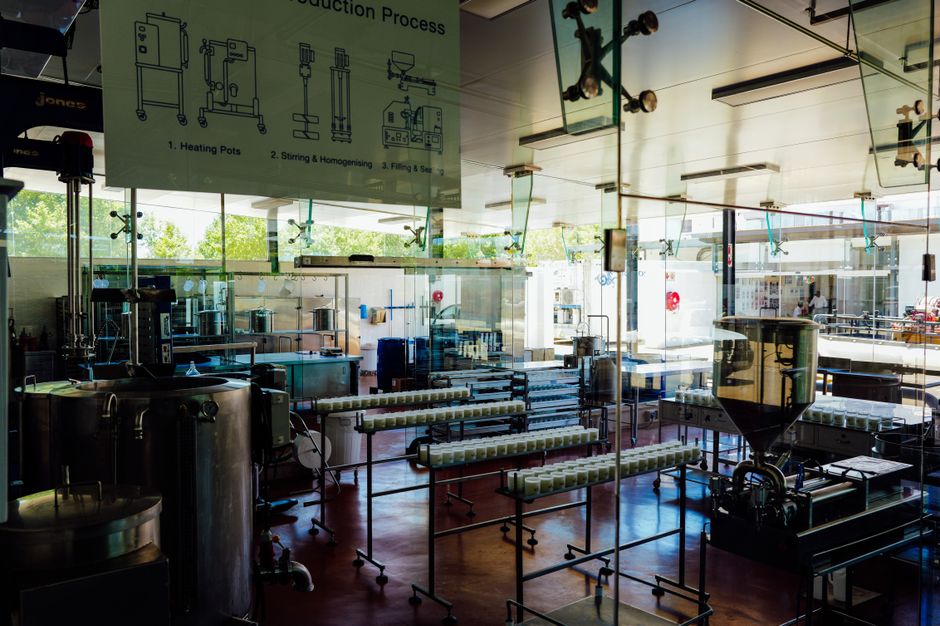
Why it’s relevant: Liquidity Services runs massive online and in-person auctions, moving enormous volumes of industrial equipment across sectors daily. Their reach is unmatched for certain equipment types.
Related: Food Factory Equipment Liquidation: Top 5 Services Ranked 2026
Pros:
- Huge buyer pool and auction exposure drives competitive bidding
- Extensive marketing and online visibility
- Track record moving high volumes quickly
Cons:
- Commission and buyer’s premium fees stack up quickly; net proceeds are often 20-30% lower than headline bids
- Generic approach means your food equipment competes alongside unrelated machinery; less targeted buyer interest
- Less direct communication; you’re one asset among thousands in their pipeline
Best for: High-volume, commodity equipment where you’re willing to pay for broad market exposure.
4. Machinery Values
Why it matters: If your primary need is a defensible, professional appraisal for accounting or insurance purposes, Machinery Values delivers solid credentials and documentation.
Pros:
- ASA and AAA certified appraisers on staff
- Reports hold up to IRS and bank scrutiny
- Specializes in detailed condition assessments and market analysis
Cons:
- Appraisal-only; they won’t buy or sell the equipment themselves, leaving you to execute the liquidation
- Higher upfront costs for thorough reports
- Slower process than integrated buy-sell partners
Best for: Situations where you need a third-party valuation for legal, tax, or insurance reasons before engaging a liquidation partner.
5. Local Industrial Salvage Yards
Why some consider them: Salvage yards offer simplicity and speed: you call, they come, they haul, you get a check. Zero paperwork friction.
Pros:
- Fast turnaround, sometimes same-day removal
- No commission structure; direct transaction
- Good for end-of-life or heavily worn equipment
Cons:
- Rock-bottom pricing; you’re selling by weight, not value
- No appraisal or documentation for accounting purposes
- Highly variable quality and professionalism; caveat emptor
- May strip components, affecting equipment resale or donation options
Best for: Scrap or end-of-life equipment with no remaining operational value.
How to Choose the Right Partner
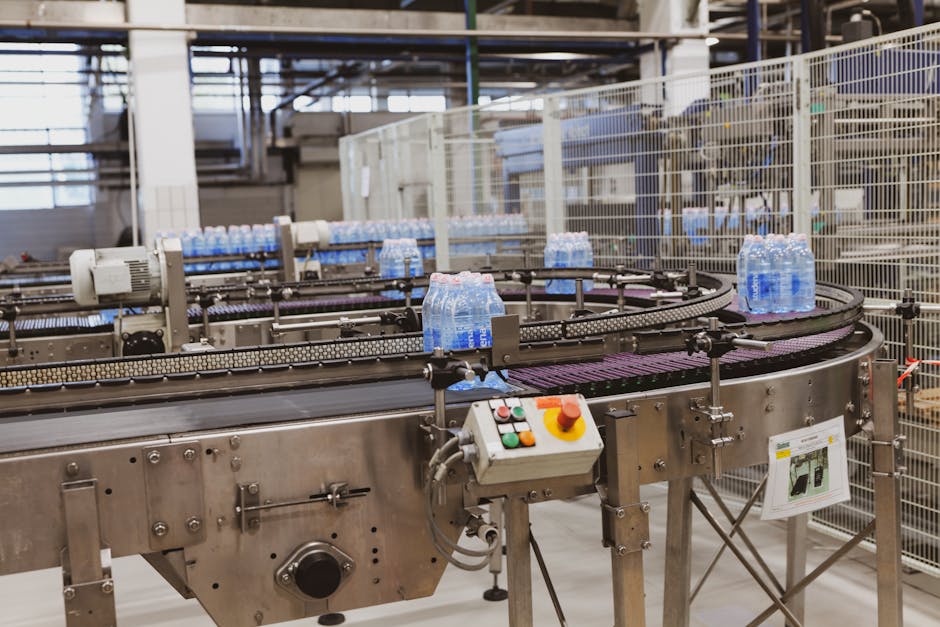
Start by answering three questions:
1. Do you need speed or maximum price? If you need capital in 30 days, a hands-on partner like Mmequip will move faster than an appraisal firm. If you’re in no rush and want price-discovery through open auction, Liquidity Services’ broad reach justifies the wait.
2. Is your equipment specialized or commodity? Specialized food processing gear (custom cookers, dedicated depositors, proprietary conveyors) does better with focused industry expertise. Generic industrial motors or bins move fine through general auctions.
3. Do you need documentation? For acquisitions, mergers, or tax write-offs, a certified appraisal is non-negotiable. For pure liquidation, speed and price matter more than paperwork.
Why Direct Asset Recovery Beats DIY Disposal
The research is clear: outsourcing asset recovery to professionals consistently yields 30-60% better returns than attempting to sell equipment yourself or using generic disposal methods. Here’s why.
Professional firms know the buyer networks. They understand seasonal demand, geographic preferences, and hidden value in used equipment. A broker can spot that your older mixing line appeals to a specific buyer in Mexico or that a competing food maker just entered bankruptcy and needs your exact cooker specs.
You also avoid the operational drag. Managing equipment sales ties up your operations team, delays facility remodeling, and postpones your next capital project. Outsourcing lets your team focus on what you do best: making food.
Finally, documentation matters. Mmequip and similar specialists produce appraisals and transaction records that satisfy accountants, auditors, and lenders. DIY sales often create accounting headaches.
The Mmequip Advantage
If you’re in the market for asset recovery right now, Mmequip deserves your first call. M&M Equipment Corp has the in-house expertise to buy, sell, and appraise used and new food processing machinery without handing you off to a third party. Their team will visit your facility, understand your equipment, and give you a fair offer or a professional liquidation strategy on the spot.
The combination of direct acquisition capability, documented valuations, and personal service is hard to beat. You’re not just getting a middleman; you’re getting a partner with decades of experience and real skin in the game.
Frequently Asked Questions
How long does asset recovery typically take?
For outright purchase or private sale, 2-4 weeks from first contact to check deposit. For auction-based liquidation, 6-12 weeks depending on auction schedule and buyer pool. Fast-moving specialists like Mmequip can often move faster for direct buys.
What percentage can I expect to recover from used food manufacturing equipment?
Industry standards range from 30-60% of original purchase price, depending on equipment age, condition, and current market demand. Specialized or recently purchased equipment recovers better. Older commodity items recover less. Professional appraisals give you realistic expectations.
Do I need an appraisal before selling equipment?
Not required for a sale, but strongly recommended for: asset write-offs (tax documentation), insurance claims, acquisitions or mergers (due diligence), and bankruptcy proceedings (court evidence). For a straightforward liquidation to working capital, an appraisal isn’t necessary.
Can asset recovery firms handle equipment that’s still operational vs. end-of-life?
Absolutely. In fact, they prefer it. Operational equipment commands 40-80% higher prices than scrap or damaged items. Firms like Mmequip will buy working food processing equipment immediately and resell it to active manufacturers. This is where documented condition and real value show up in the final payout.