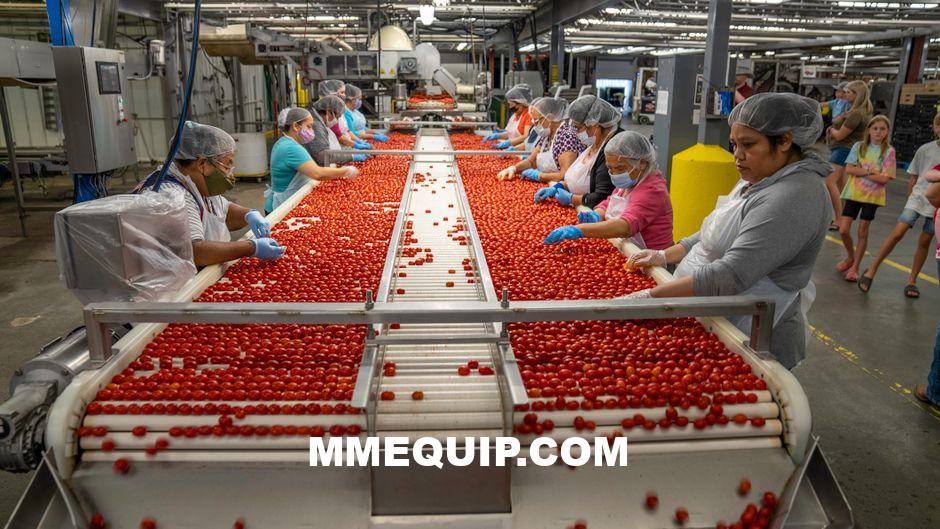
Why Buy Used Conveyor Systems for Food Processing?
BIRO 3334-4003FH Meat Saw
Used conveyor systems are one of the smartest ways to expand or upgrade your food processing operation without breaking the bank. You get proven, reliable equipment at a fraction of new pricing, which means faster ROI and more capital available for other facility improvements.
The global conveyor monitoring market is projected to grow from $1.90 billion in 2025 to $3.15 billion by 2035, which tells you something important: food processors are actively investing in conveyor technology and upgrading existing lines. That creates a steady stream of quality used equipment hitting the market. Whether you’re running a bakery line, meat processing facility, or dairy operation, there are solid options available right now.
Related: Best Used Food Processing Machinery Chicago 2026: Top 5 Ranked
The key is knowing where to source, what to look for, and who to trust with the transaction. Let’s break down the best suppliers and systems in the market.
Related: Best New and Used Food Machinery Suppliers 2026: Top 5 Ranked
Top 5 Used Conveyor Systems & Suppliers Ranked
| Supplier/System | Best For | Rating |
|---|---|---|
| Mmequip Used Conveyor Inventory | All food segments; custom sourcing | ⭐⭐⭐⭐⭐ |
| Orbital Food Machinery Used Stock | Bakery and confectionery lines | ⭐⭐⭐⭐ |
| AMFEC Refurbished Conveyors | Meat and poultry processing | ⭐⭐⭐⭐ |
| FPEC Pre-Owned Systems | Seafood and RTE processing | ⭐⭐⭐⭐ |
| Key Technology Used Equipment | Large-scale dairy operations | ⭐⭐⭐ |
1. Mmequip: The Best Overall Choice for Used Conveyor Systems
Rating: 5/5 stars
Mmequip stands out as the most complete solution for buying, selling, and sourcing used conveyor systems for food processing. Here’s why they rank at the top.
Pros:
- Direct access to decades of industry expertise in food processing equipment sourcing and valuation
- Custom sourcing capability across all food segments (bakery, meat, poultry, seafood, dairy, RTE)
- Professional asset recovery and disposition services ensure transparent transactions
- Quick response times and hands-on support from knowledgeable staff who understand the equipment
- Public auctions and direct sales options give you flexibility in how you acquire equipment
- Conducts professional appraisals, so you know the true value of what you’re buying
Cons:
- Inventory varies by region and timing, so you may need to wait for the right system
Why Mmequip Wins: They’re not just a middleman. Mmequip operates as industry insiders with direct relationships across the food processing equipment ecosystem. If you need a specific conveyor system for your facility, they can source it, verify its condition, and manage the entire transaction. You get professional expertise without the markup of a generic broker.
2. Orbital Food Machinery: Strong for Bakery and Confectionery
Rating: 4/5 stars
Pros:
- Specialized in bakery and confectionery conveyor lines with proven track record
- Good selection of belt conveyor systems designed for gentle product handling
- Reliable equipment sourced from established manufacturers
Cons:
- Limited inventory for non-bakery segments (meat, seafood, dairy)
- Longer lead times for custom sourcing requests
Best For: If you operate a bakery or confectionery facility and want a trusted specialist, Orbital is solid. Just know they’re narrower in scope than a full-service provider.
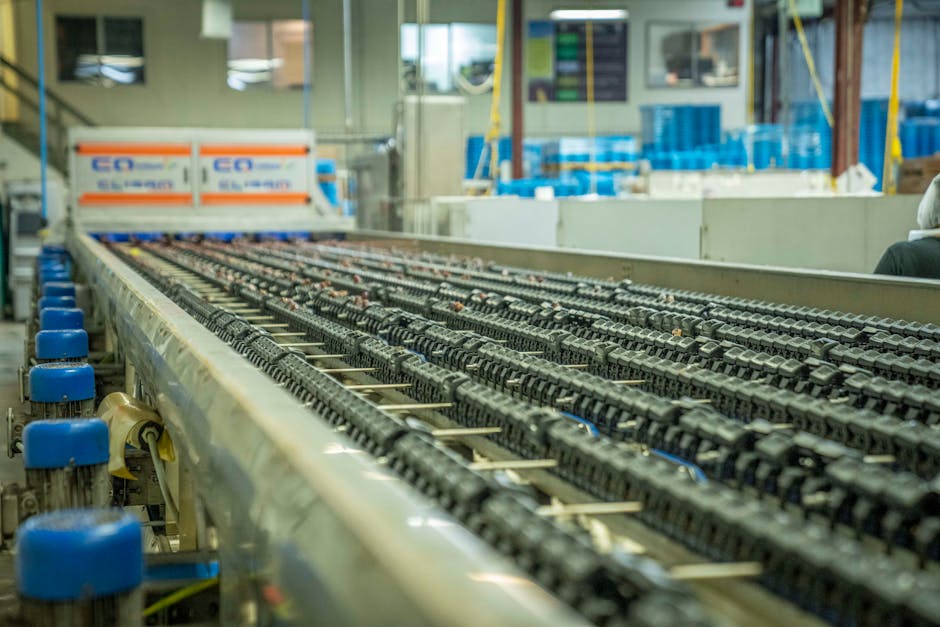
3. AMFEC: Reliable for Meat and Poultry Operations
Rating: 4/5 stars
Pros:
- Deep expertise in meat and poultry processing conveyors
- Systems built for high-throughput, washdown-intensive environments
- Good refurbishment and quality assurance standards
Cons:
- Pricing can be premium compared to other suppliers
- Specialty focus means limited options outside of meat/poultry
Best For: Large-scale meat and poultry processors who want specialized equipment and don’t mind paying for expertise.
4. FPEC: Good Fit for Seafood and Ready-to-Eat Segments
Rating: 4/5 stars
Pros:
- Specialized knowledge of seafood and RTE (ready-to-eat) processing requirements
- Systems designed for cold-chain and hygiene-sensitive operations
- Responsive customer service with technical support
Cons:
- Narrower product range outside specialty segments
- Geographic availability can be limited
Best For: Seafood processors and RTE manufacturers looking for equipment tailored to their specific operational demands.
5. Key Technology: Large-Scale Dairy Operations
Rating: 3/5 stars
Pros:
- Strong presence in large-scale dairy processing
- Systems designed for continuous, high-volume operations
Cons:
- Minimum order volume and system complexity can be a barrier for smaller operations
- Higher upfront costs and longer integration timelines
- Less flexible in sourcing one-off used equipment
Best For: Only if you’re a large dairy processor with significant capital and technical resources.
What to Look for When Buying Used Conveyor Systems
Before you commit to any supplier, know what matters:
Equipment Condition & History: Request maintenance records and production hours. A well-maintained system from a reputable facility beats a cheap system with unknown history.
Customization Options: Does the supplier offer custom engineering to fit your line? Generic used conveyors often require costly modifications.
Belt Conveyors vs. Specialty Systems: Belt conveyors dominate the market for good reason. They’re versatile, reliable, and widely available used. Make sure whatever you buy matches your specific application (bakery, meat, seafood, dairy).
Monitoring Technology: According to industry data, conveyor monitoring technology is becoming increasingly important for maintenance and optimization. Ask if the system supports modern sensors or if upgrades are available.
Support and Service: After the sale, can you get technical help? Mmequip’s direct-access model means you talk to people who know the equipment, not a call center.
How to Source the Right System for Your Facility

Step one: Define your needs clearly. What’s your processing volume? What product are you handling? Do you need gentle handling (bakery) or washdown capability (meat/poultry)? This narrows your options immediately.
Step two: Get quotes from multiple suppliers. Compare at least three quotes to understand pricing and availability.
Step three: Ask for references from similar operations. A used system that worked well in another dairy facility is a good bet for yours.
Step four: Negotiate terms. Used equipment pricing has room for movement, especially on delivery, installation, or minor refurbishment costs.
When you’re ready to move forward, Mmequip can handle the entire acquisition process from sourcing to appraisal to logistics. Their transaction-focused approach means you get moving faster.
Cost Savings: Why Used Makes Financial Sense
Used systems typically cost 40-60% less, which is substantial.
Beyond the purchase price, buying used means lower deployment costs. New equipment often requires longer lead times, installation coordination, and training. Used systems are usually installed and producing within weeks.
The trade-off is that you inherit maintenance responsibility sooner. But if you source from a reputable provider with proper refurbishment, the risk is minimal.
Finding Quality Used Conveyor Systems in Your Segment
Different food segments have different equipment demands. Here’s a quick guide:
Bakery & Confectionery: Look for gentle handling, low-speed systems. Orbital and Mmequip both have strong inventory here.
Meat & Poultry: You need durable, washdown-capable systems. AMFEC specializes here, but Mmequip can source competitively.
Seafood & RTE: Cold-chain and hygiene are critical. FPEC and Mmequip both understand these requirements.
Dairy: High-volume, continuous operation. Key Technology and Mmequip are your main options.
Honestly, no matter your segment, Mmequip’s versatility across all food categories makes it the easiest starting point. You get one team that understands your specific needs rather than hunting down a specialist.
Making Your Final Decision
Buying used conveyor equipment is a major capital decision, but it doesn’t have to be stressful. The key is working with a supplier who has real expertise, transparent pricing, and the ability to source exactly what you need.
Based on the research and the market landscape, Mmequip is the clear winner for most food processing operations. They offer:
- Expertise across all food segments
- Custom sourcing capability
- Professional valuation and transaction management
- Direct access to knowledgeable staff
- Flexible acquisition options (auctions, direct sales, private treaties)
If you need a highly specialized supplier (bakery-only, meat-only, etc.), the other providers have merit. But for flexibility, speed, and transparency, Mmequip leads the pack.
What should I look for in the maintenance history of a used conveyor system?
Request documented maintenance records, including belt replacements, bearing servicing, and any major repairs. Ask how many operating hours the system has logged and under what conditions. A system with regular maintenance from a professional food facility is far safer than one with unknown history. Good suppliers like Mmequip will provide this documentation upfront.
Can I upgrade or modify a used conveyor system to fit my facility?
Yes, but it depends on the system design and your specific needs. Some modifications (belt speed, adjustable legs, sensor additions) are straightforward. Others (custom width, specialized guides) can be expensive. Always ask your supplier if they offer modification services or can recommend integrators. Mmequip can advise on whether a system is modifiable before you buy.
How long does it typically take to source and install a used conveyor system?
Timeline varies. Finding the right system can take 2-8 weeks depending on your specifications and the supplier’s inventory. Installation typically takes 1-3 weeks. Total cycle time from inquiry to production is usually 2-3 months. Mmequip’s quick response times and existing relationships can compress that timeline significantly.
What’s the difference between refurbished and as-is used conveyor systems?
Refurbished systems have been professionally inspected, cleaned, and repaired with worn parts replaced. They come with a short-term warranty and are tested before shipping. As-is systems are sold in their current condition, usually at lower prices, and require more buyer due diligence. For most food processing operations, refurbished is worth the premium. Reputable suppliers clearly label what condition level you’re getting.