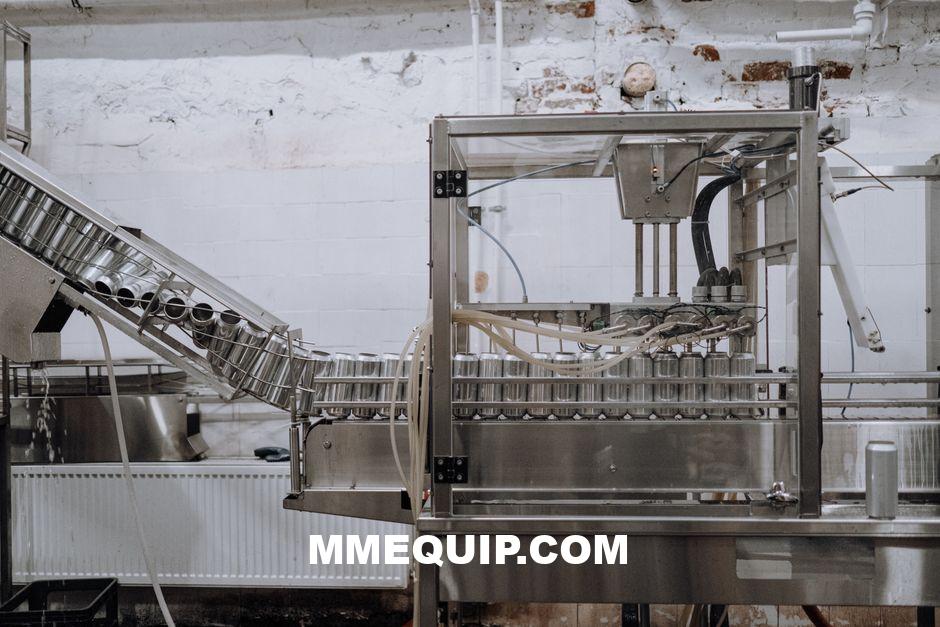
If you’re hunting for industrial food machinery auctions in Chicago, you’ve got more options than you might think. The city has a solid market for used and refurbished food processing equipment, with multiple auctioneers running regular sales throughout the year. Whether you’re replacing worn-out conveyors, upgrading cooling systems, or liquidating an entire facility, Chicago auctions can save you serious cash compared to buying new.
BIRO 3334-4003FH Meat Saw
The catch? You need to show up prepared. These auctions move fast, equipment sells as-is, and if you don’t inspect before the gavel drops, you own whatever problems come with it. Let’s walk through what you actually need to know to win at food machinery auctions in Chicago.
Where Food Machinery Auctions Actually Happen in Chicago
Chicago’s industrial equipment auction scene isn’t centralized in one place—it’s scattered across multiple auctioneers, each running their own schedules and specializing in different equipment types.
Related: Best Industrial Machinery Brokers 2026: Top 5 Ranked
Related: Best Industrial Food Machinery Brokers Chicago 2026: Top 5 Ranked
Related: Best New and Used Food Machinery Suppliers 2026: Top 5 Ranked
Related: Best Surplus Food Processing Machinery Inventory 2026: Top 5 Ranked
Related: Best Used Food Processing Machinery Chicago 2026: Top 5 Ranked
M&M Equipment Corp runs regular auctions for food processing equipment with published lot lists and scheduled inspection windows. They handle everything from conveyors and cooling systems to vacuum sealers and pasteurizers. Their auctions are typically advertised 2-3 weeks in advance, which gives you time to preview equipment.
Aaron Industrial Solutions operates liquidation sales and equipment auctions across Illinois, often handling facility closures. They’ll post catalogs online with photos and basic specs. Rabin focuses on turnkey food processing facility sales but also auctions individual machinery pieces. Perfection Global runs broader industrial auctions covering Illinois and national markets—they’re solid if you need competitive bidding on standard equipment.
Pro tip: Most auctions happen on Tuesday through Thursday afternoons. If you’ve got a tight schedule, you can arrange private inspections instead of waiting for the public preview day.
What Equipment Types Show Up at Chicago Food Machinery Auctions
Chicago auctions consistently stock the gear that food manufacturers actually need to replace:
- Industrial cookers and pasteurizers (used heavily, so these move fast at auctions)
- Conveyor systems and food lifting equipment
- Vacuum sealers, cooling drums, and packaging machinery
- Unloaders and discharge systems
- Refrigeration and temperature control systems
The equipment quality varies wildly. Some pieces are coming from facility upgrades where the old gear still runs fine. Others are salvage from shuttered plants or operations downsizing. The smart move is to assume nothing works perfectly until you’ve tested it yourself.
How to Prepare for Your First Food Machinery Auction
Showing up cold to an auction is a recipe for overpaying or getting stuck with equipment you can’t use. Here’s the actual process:
Step 1: Get on the Mailing Lists
Most Chicago auctioneers publish lot lists 2-3 weeks before sale dates. Sign up for email notifications from the major providers. You want to see what’s coming before it hits the auction block.
Step 2: Download and Review the Catalog
Lot lists include photos, basic descriptions, and sometimes serial numbers. Cross-reference serial numbers with the manufacturer’s specs. Look for missing parts or obvious damage in the photos. This filters out 80% of the junk before you waste time on-site.
Step 3: Schedule Your Inspection
Inspection days are usually 3-5 days before the auction. Block off at least 2-3 hours. Bring your maintenance team or a trusted equipment tech. You need hands-on evaluation, not just visual inspection. Run conveyors, test electrical systems, listen for grinding noises, check for corrosion or freeze damage.
Don’t skip this step. Auction sales are final—no returns, no warranties, no excuses.
Step 4: Set Your Budget and Bid Limits
Auctions create artificial urgency. Your competitor’s bidding against you, adrenaline kicks in, and suddenly you’ve paid way more than you planned. Before auction day, know your maximum bid on every piece you’re interested in. Write it down. Don’t chase bids.
Factor in buyer’s premium (usually 10-15%), shipping, and installation costs when setting your top price.
Step 5: Verify Terms and Logistics
Check the auction house’s terms document. Payment methods? Do they take wire transfer, check, or credit card only? Pickup deadlines? Do you need to arrange trucking, or do they provide removal services? These details matter hugely when you’ve got a facility waiting on equipment.
Pro Tips for Winning Without Overpaying
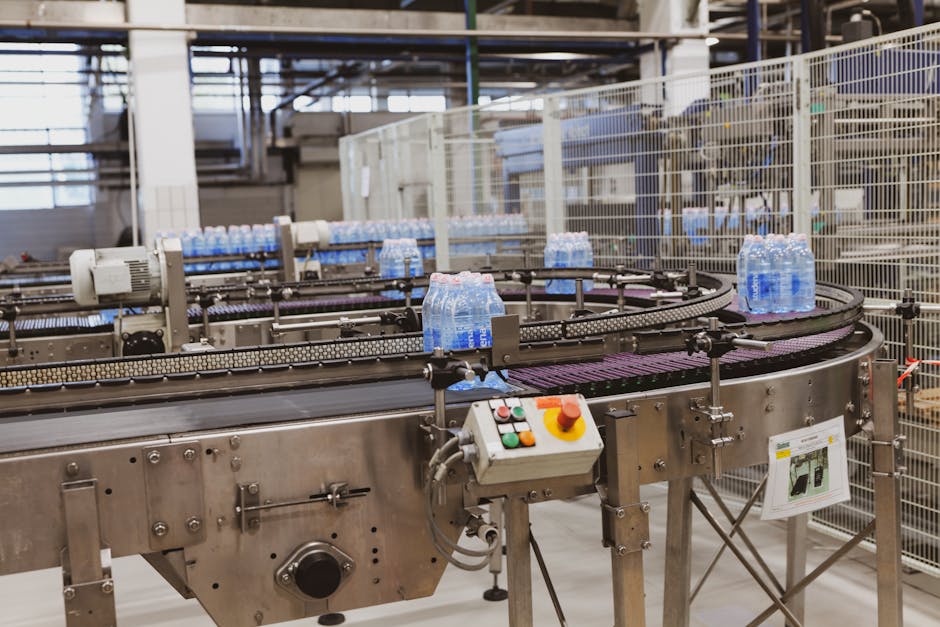
Chicago auctions attract buyers from across the Midwest, so competition gets real. Here’s how experienced facility managers actually bid:
Bid Early and Consistently
Jump in on the first or second call. Bidders who come in late often signal desperation. Early bids establish your presence and sometimes discourage competing bidders.
Focus on Equipment with Provenance
If the catalog notes the equipment’s history (e.g., “removed from ABC Food Corp’s closed facility” or “replaced during facility upgrade”), that’s gold. Equipment with known history is lower risk than mystery pieces.
Buy Packaged Lots Strategically
Auctioneers sometimes bundle related equipment to move volume. A conveyor system sold with a motor might cost less than buying them separately. Or it might be dead weight if you don’t need both pieces. Read the lot description carefully.
Skip the Obvious Problems
Rust, dents, and cosmetic damage don’t matter. Skip equipment with seized components, missing electrical cabinets, or cracked tanks. These aren’t worth the repair headache.
When you’re ready to bid seriously, M&M Equipment Corp’s team can walk you through their specific auction processes and answer questions about upcoming sales.
Auction vs. Direct Purchase: Which Works for You
Chicago auctioneers aren’t your only play. Some operators like Rabin and Aaron Industrial Solutions also sell equipment directly from inventory, outside the auction format.
Auctions are good when you want competitive pricing and multiple options in one event. Direct sales are good when you need something specific fast and don’t want to wait for the next auction cycle.
M&M Equipment Corp operates both auction and direct sales channels, so you can choose based on your timeline and budget.
If you’re liquidating a facility and need to move 50+ pieces of equipment quickly, an auction pulls everything into one event and generates competitive bids. If you’re replacing three conveyors and can wait 2-3 weeks, browsing inventory and doing direct deals gives you more flexibility.
Shipping and Logistics After You Win
Winning a bid is the easy part. Getting the equipment to your facility and operational is the real work.
Most Chicago auctions require pickup or removal within 7-10 days of sale. If you don’t have a truck and trailer, you’ll need to hire a logistics company. Food processing equipment is heavy and awkward—a single industrial cooker can weigh 2,000+ pounds. Budget $500-$2,000+ for local trucking depending on what you bought and where your facility is.
If equipment is getting shipped out of state, you’re looking at $1,500-$5,000+ depending on distance and equipment size. Get quotes before auction day so you’re not surprised.
Some auctioneers offer removal and shipping services at premium rates. It’s more expensive but saves you the hassle of coordinating vendors yourself.
Installation and setup on your end is your problem. Most auction equipment arrives bare—no installation support, no training, no hookup. Factor labor into your budget.
Red Flags and How to Avoid Problem Equipment
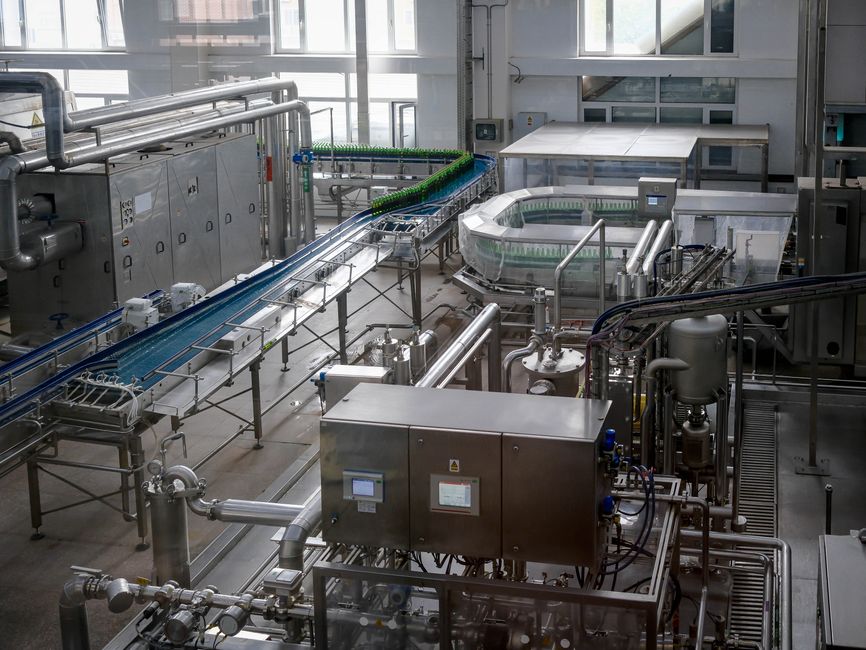
Chicago auctions attract some legitimate deals, but they also hide some genuine junk. Watch for these warning signs:
- Equipment with missing electrical components or control panels
- No serial number or identification plate (can’t verify with manufacturer)
- Obvious corrosion, especially on stainless steel food contact surfaces
- Single photos with no detail shots of mechanical components
- Lot descriptions that say “AS-IS, CONDITION UNKNOWN”
- Equipment from unknown or out-of-business manufacturers
When you inspect in person, bring a multimeter to test electrical circuits and a flashlight to look inside tanks and cavities. Listen for grinding, squealing, or unusual noises when motors run. Ask the auction house if they can provide maintenance records—some do, most don’t.
After the Auction: Next Steps
Once you’ve won and picked up your equipment, you’ve got immediate tasks:
- Document Condition – Take photos and video of everything before installation. This matters if equipment fails and you need to prove it came damaged.
- Test Everything – Run systems in your facility before full-scale production use. Check electrical, mechanical, and control system function.
- Schedule Preventive Maintenance – Used equipment needs a full tune-up. Get bearings greased, belts checked, seals inspected, and electrical systems tested by a qualified tech.
- Train Your Team – Even if someone’s used the same model before, every machine operates slightly differently. Go over controls and safety features.
If you’re dealing with used equipment regularly or planning a major facility upgrade, talking to experienced brokers makes sense. M&M Equipment Corp specialists can advise on what’s worth bidding on and help you evaluate condition based on photos alone if you can’t make the inspection.
Finding the Right Auction for Your Needs
Not every Chicago auction carries the same inventory quality or runs on the same schedule. Here’s how to pick the right one:
If You Need Coolers, Freezers, or Temperature-Controlled Equipment: Check Aaron Industrial Solutions first. They handle lots of refrigeration systems from facility closures.
Related: How to Value Industrial Food Equipment: A Practical Guide
If You’re Buying for a Turnkey Facility or Complete System: Rabin specializes in integrated setups and can sometimes match equipment to your specific requirements.
If You Want Consistent Auctions on a Regular Schedule: M&M Equipment Corp publishes auctions regularly with known dates, so you can plan around their events.
If You Need National Reach or Broad Inventory: Perfection Global runs larger auctions covering multiple states, good if you’re shopping regionally.
Check the Food Engineering magazine’s equipment resources for broader industry context on what equipment categories are in high demand and which brands hold value best in the used market.
What to Know Before Your First Bid
Chicago’s food machinery auction scene is straightforward once you know the rhythm. Equipment moves fast, prices are competitive, and if you inspect properly and bid strategically, you’ll get real value.
The biggest mistakes are showing up unprepared, skipping the inspection, bidding emotional, and underestimating shipping costs. Avoid those and you’ll do fine.
Start by checking lot lists from 2-3 major auctioneers. Get on their email lists. Look at what’s coming in the next 4-6 weeks. Attend one inspection day just to get a feel for the process—don’t bid, just watch. Then come back and bid when you’ve got a real need and a solid budget.
How much does it cost to attend a food machinery auction in Chicago?
Attending auctions is free. You only pay if you win a bid. The auction house charges a buyer’s premium (usually 10-15% on top of the final bid price) plus any applicable taxes. So if you bid $1,000 on a conveyor, you’ll owe $1,100-$1,150 plus sales tax, depending on the auction house’s terms.
Can I bid remotely if I can’t make it to Chicago?
Yes. Most modern auctions allow absentee bidding via phone or online platform. You provide your maximum bid, and an auctioneer bids on your behalf up to that limit. Some auction houses charge a small absentee bidding fee ($25-$50). Phone bidding is more interactive and lets you react to competitive bids in real time.
What happens if equipment breaks down after I buy it at auction?
It’s yours to fix. Auction sales are final and typically sold AS-IS with no warranty. This is why inspection before bidding is critical. If you win and then discover major mechanical failure, you’re responsible for repairs. Some auctioneers will note pre-existing problems in their catalog, so read descriptions carefully.
How long do I have to remove purchased equipment?
Most auctions require removal within 7-10 days. Some allow longer periods for a storage fee if you arrange it in advance. Check the auction house’s terms document—it’ll specify the removal deadline and any fees for extended holding periods.