When you’re liquidating food factory equipment, you need a clear plan. Don’t just start listing things and hope they sell. The right approach means understanding what you have, pricing it fairly, and getting it in front of the buyers who actually want it.
BIRO 3334-4003FH Meat Saw
Let’s walk through the whole process so you can recover maximum value from your assets.
Get a Professional Valuation First
Before you do anything else, know what your equipment is actually worth. A lot of facility managers skip this step and end up leaving money on the table.
A professional market valuation tells you the realistic selling price for each major piece—your packaging lines, cookers, mixers, conveyors, chillers, the whole lineup. This isn’t guesswork. It’s based on current demand, condition, age, and what similar equipment is moving for right now.
Why does this matter? Because when you understand true market value, you avoid two mistakes. First, you won’t underprice and sell too cheap. Second, you won’t overprice and sit with dead inventory that never moves. M&M Equipment Corp can handle this valuation work so you see exactly what each asset is worth before making any sales decisions.
Sort and Categorize Your Assets
Throw everything on a list. Be specific: include the brand, model, year, condition, and location of each machine.
Then group similar items together. Put all your filling equipment in one bucket, all refrigeration in another, all conveyor systems in a third. This organization matters because it helps you spot patterns—like if you have five identical units that can be sold as a lot, or one specialty item that needs a niche buyer.
Take photos and basic measurements. You don’t need professional photography, but clear images from different angles help remote buyers understand what they’re getting. Condition matters a lot in this market, so be honest about wear, function, and any needed repairs.
Understand Liquidation vs. Dissolution
These words get used interchangeably, but they’re not the same thing.
Liquidation is the sale of equipment and assets. You’re converting machinery into cash. Dissolution is the legal process of closing a business entirely—it involves tax filings, creditor notifications, and winding down operations.
You might do both if you’re shutting down completely. Or you might just liquidate equipment because you’re upgrading your line or consolidating facilities. Know which one you’re actually doing, because it changes your timeline and priorities.
Choose Your Sales Channel

You have options here. No single channel works for everything, so think about your timeline and what type of equipment you’re moving.
Related: Food Factory Equipment Liquidation: Top 5 Services Ranked 2026
Auction Houses work well if you have a lot of equipment and want to move it fast. Auctions create urgency and bring multiple buyers into competition. The downside is that auction houses take a commission, and you don’t always know who’s buying or why.
Direct Sales to end users (other food manufacturers, processors, distributors) often get you better prices because the buyer is actually going to use the machine. These take longer to arrange, but you avoid middleman markups.
Secondary Markets and Salvage Buyers come into play for equipment that’s too old or specialized to sell as working machinery. If a piece has no industrial resale value, stripping it for scrap or parts might recover something instead of paying to haul it away.
Related: How to Value Industrial Food Equipment: A Practical Guide
A lot of people don’t realize these secondary networks exist. Equipment that won’t move on the primary market can still have value to the right buyer. M&M Equipment Corp works with multiple sales channels and can advise which one makes sense for your specific inventory.
Work With a Reputable Liquidator
If you don’t have experience buying and selling industrial equipment, hire someone who does. A liquidation specialist or auction expert knows how to create lots, set opening bids, time sales, and connect with the right buyer networks.
When you’re evaluating liquidators, ask upfront questions. How do they handle equipment that doesn’t sell? Do they have relationships with secondary buyers? What’s their commission structure? Will they salvage parts if a unit doesn’t move whole? Do they handle transportation and logistics, or is that on you?
A good liquidator doesn’t just list your stuff and cross their fingers. They actively work to match equipment with buyers and explore salvage options for anything that’s stuck.
Plan for Logistics and Removal
Don’t forget the physical side. Food processing equipment is heavy, bolted down, and sometimes built into your facility infrastructure.
You need to budget for disconnection, removal, cleaning, and transportation. Some buyers will handle pickup themselves, especially if they’re buying high-value items. Others expect you to deliver or arrange delivery. Clarify this before you finalize any sale.
If equipment is staying on your site while you’re finding buyers, make sure it’s secure and protected. Vandalism and weather damage happen, and your insurance might not cover stolen or damaged equipment once it’s technically for sale.
Explore Salvage and Parts Recovery
Not every piece will sell as a working unit. But that doesn’t mean it’s worthless.
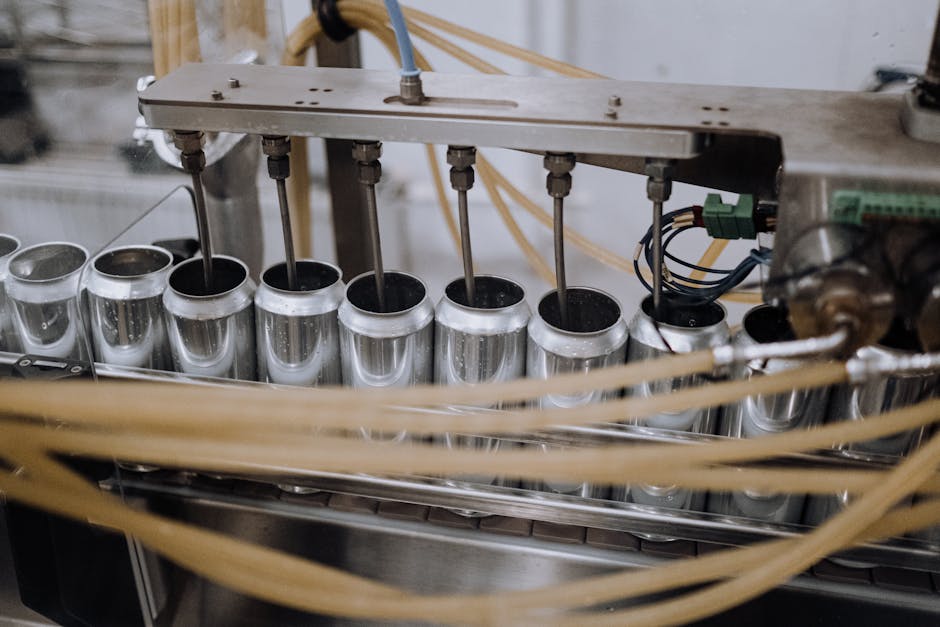
Old stainless steel components, motors, pumps, sensors, and control systems can be worth money to salvage yards or parts dealers. Before you send something to the landfill, at least talk to a salvage buyer. Sometimes the metal content alone pays for removal.
This is especially true if you’re liquidating a whole facility. You might have dozens of individual machines, but also miles of piping, electrical systems, and structural components. Breaking it down strategically for salvage can recover value you’d otherwise leave behind.
Document Everything
Keep records of all equipment sales, who bought what, when it was picked up, and the price. This matters for your accounting, tax filings, and any disputes that might come up later.
Also document the condition of each piece when it leaves your facility. If a buyer claims equipment arrived damaged, you want proof of what condition it was in when they took it.
If you need help managing this whole process—from initial valuation through final sale—that’s what M&M Equipment Corp specializes in. They handle the valuation, categorization, buyer outreach, and logistics so you can focus on running your business or managing the shutdown itself.
Set a Realistic Timeline
Liquidating a food factory isn’t a one-week project. High-value equipment can take weeks or months to sell if you’re being selective about finding the right buyer. Bulk sales through auctions move faster but might bring lower prices.
Set expectations with your stakeholders upfront. If you need cash quickly, you might use auction channels and accept slightly lower prices. If you have time, direct sales to end users usually yield better recovery.
Consider Tax and Legal Implications
Talk to your accountant or tax advisor about how equipment sales affect your taxes. Depending on your business structure and what you’re selling, there might be capital gains to report, loss deductions to claim, or other tax angles.
If you have outstanding loans on equipment, you might need to pay those off before you can sell. Check your loan agreements for any restrictions on what you can liquidate.
People Also Ask
How long does it take to liquidate food factory equipment?
It depends on your sales channel. Auction sales can close in weeks. Direct sales to end users usually take 4-8 weeks or longer. Salvage and parts recovery might take a few weeks to arrange. Start the process early if you’re on a deadline.
Should I clean equipment before selling it?
Yes. Clean equipment shows better and sells faster. A thorough cleaning signals that you’ve maintained it well. For food processing equipment, sanitation is a selling point. You don’t need professional detailing, but basic cleaning removes grease, food residue, and dust.
What if equipment is too old or broken to sell?
Explore salvage options first. Even non-working equipment has scrap value if it’s made of steel, aluminum, or copper. Parts can sometimes be harvested for other machines. Only after you’ve checked salvage markets should you consider disposal.
Can I sell equipment while my facility is still operating?
Yes, as long as the equipment isn’t essential to current production. You might liquidate an older line you’ve replaced, or machinery from a section you’re shutting down. Just make sure you’re not creating production gaps while you’re waiting for sales to close.