
A Buyer’s Guide to Commercial Food Slicers
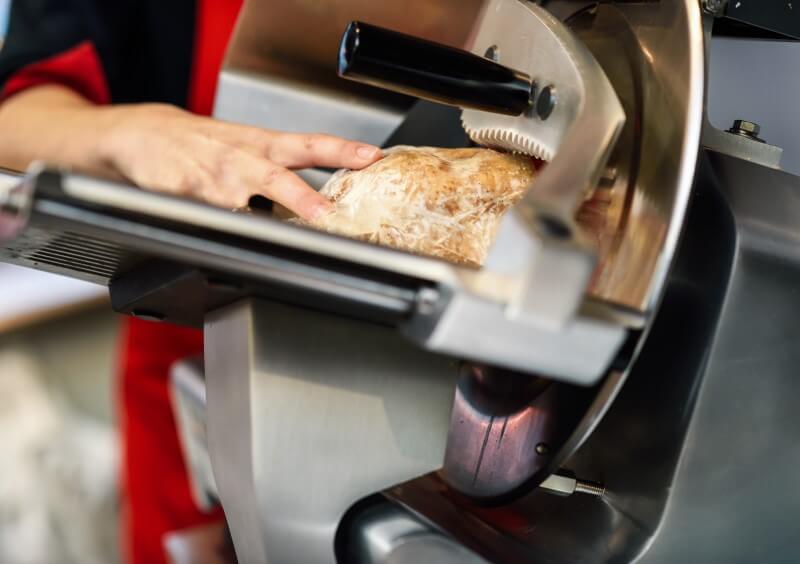
In commercial food processing plants or kitchens, it is very important to keep the consistency of the food product. From slicing deli meats and cheese to vegetables, proteins and fruits, food slicers play an important role in preparing the food for product quality, consistent portions and efficiency in productivity.
However, not all the food slicers are designed for the same level of quality or consistency in the kitchen. It is critical to choose the right commercial food slicer to streamline your operations, reduce labour and ensure consistent results throughout the operations.
Understanding the key features and factors while investing in the food slicer for your commercial kitchen is essential. Here’s the buyer’s guide for all those who want to invest in the food slicers and increase their production by quality.
Understanding Your Production Requirements
The first step in choosing the right food slicer is evaluating how it will be used in your operation. Different businesses have different production needs, and selecting equipment that matches your workload is crucial. Small delis or bakeries only have a small requirement of slicers for occasional use throughout the day, while food processing plants often need machines to keep the portion and quantity balance for continuous slicing for high-volume production.
Some questions to consider are:
- What types of food will be sliced?
- How often will the slicer be used?
- What level of output does operation require?
- Will the slicer be used by multiple operators?
Answering these questions can help determine whether a light-duty, heavy-duty or even a medium-level slicer is best fit for the operation.
Manual vs Automatic Slicers
Once your operation determines the basic requirement of the food slicer, it is very important to make an informed decision on whether you want an automatic or manual food slicer.
Manual food slicers are generally more labour work. It carries more back-and-forth product. These machines are commonly used in delis, small commercial kitchens and grocery stores while slicing the food items in a more periodical pattern.
On the other hand, automatic slicers are designed for higher production environments. They automatically move the food carriage, allowing the operator to work with minimal effort on higher slicing production. Many food processing plants and large kitchens prefer automatic slicers because they improve productivity and consistent slicing results smoothly.
Choosing between these two options depends largely on how much product you need to process every day.
Blade Size and Quality
The blade is one of the most important components of any slicer. Blade size determines the maximum size of the product that can be sliced, while blade quality affects cutting performance.
Large knives are better for slicing larger cuts of meat, deli loaves and bulk food products. Smaller blades may work well for light production or everyday slicing like cheese or vegetables.
High-quality stainless steel blades are typically preferred in commercial environments because they are durable, corrosion resistant and maintain the sharpness of food over time. A sharp blade ensures clean cuts, which improves both the appearance and consistency of the final product.
Capacity and Performance
For many food processing operators, capacity is a major concern. Equipment that can’t keep up with production demands can quickly create bottlenecks in the workflow.
High-capacity commercial slicers are designed to process large volumes of food quickly and consistently. These machines often include features such as adjustable slice thickness and powerful motors that result in support and continuous operation.
Choosing equipment that matches your production requirements ensures smoother operations and greater efficiency in the long term.
Ease of Cleaning
Maintenance of the equipment is the most important aspect of the food plants. Food processing equipment should always prioritise safety and sanitation. Modern commercial slicers often include safety features designed to protect operators while maintaining high-quality slicing.
Common safety features include blade guards, non-slip bases and emergency stop mechanisms. These elements help reduce workplace accidents and ensure compliance with food safety standards.
In addition, slicers designed for easy cleaning can improve sanitation practices. Removable components and smooth surfaces make it easier for staff to clean and sanitise the machine after assisting in keeping the kitchen clean and hygienic.
Finding the Right Equipment Partner
It is important to invest in the right commercial equipment. However, finding the right commercial partner is even more important. The right commercial food slicer is all about finding the equipment that supports workflow, meets the production needs and delivers reliable performance over time.
Working with experience suppliers like M&M Equipment Corp can help ensure you find the right equipment for your facility. With a wide range of food processing machinery available, businesses can select solutions that improve product consistency, quality and long-term support for operations.