As temperatures climb during the summer months, food service businesses face a growing challenge, i.e., preventing food spoilage during heat waves. Restaurants, catering companies, hotels, healthcare, and food facilities or operations depend on proper food storage and refrigeration systems to maintain food quality and safety. When extreme heat places additional strain on kitchen operations, even minor equipment failures can lead to massive product loss, health risks, and financial setbacks.
It is critical to understand how to protect perishable inventory during the high summer heat waves and ensure compliance with food safety regulations.
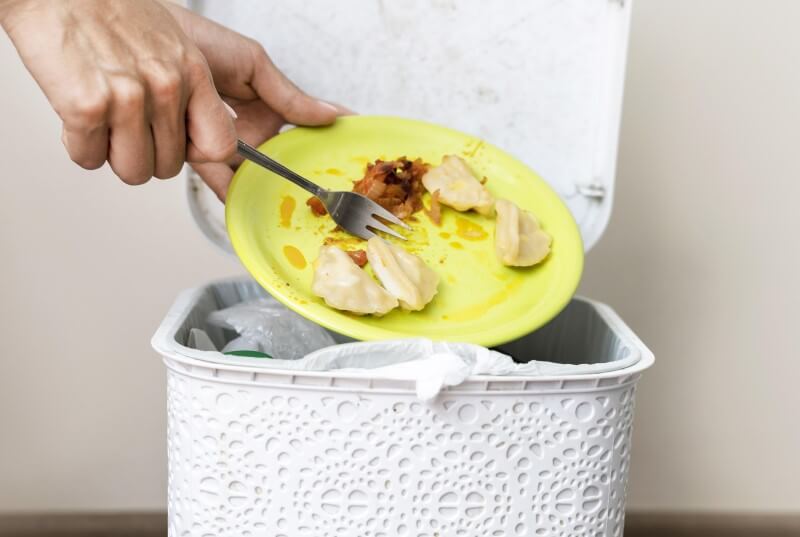
Heat waves increase the risk of food spoilage.
Heat waves can significantly impact the performance of refrigeration systems. Refrigerators, freezers, walk-in coolers, and ice machines must work harder to maintain safe temperatures when surrounding conditions become hotter than normal.
As equipment operates under increased stress, the risk of temperature fluctuation rises. Even small changes in storage temperature can shorten the shelf life of food products, seafood, and fresh products, encouraging bacteria and compromised food quality. Dairy products, meats, fresh products, and even the prepared food are all vulnerable when proper storage conditions are not maintained. To prevent food spoilage, it is important to ensure refrigeration systems are capable of handling seasonal demands.
Invest in a Reliable Refrigeration System
One of the most effective ways to prevent food spoilage during heat waves is by investing in a dependable refrigeration system. Older refrigeration units often struggle to maintain consistent temperature during extreme weather conditions, leading to unnecessary food waste.
Modern refrigeration systems are designed with advanced cooling technologies that improve temperature stability and energy efficiency. Features such as digital temperature controls, improved insulation, and high-performance compressors protect the food inventory even during prolonged periods of extreme heat.
Monitor Temperatures Consistently
Temperature monitoring is one of the most important food safety practices during a heat wave. Food operations should regularly check for the cooling system temperature to ensure they are operating under the best-defined range. Having a digital monitoring system is the best solution with real-time alerts and a safety range. Consistent temperature protects the inventory and supports compliance with food safety and inspection requirements.
Maintain Walk-in Coolers and Freezers
Walk-in coolers and freezers play a critical role in food preservation, especially during the summer. However, these systems require routine maintenance to perform efficiently under increased demand.
Damaged door seals, dirty condenser coils, blocked airflow, and worn components can reduce cooling performance and force systems to work harder. Regular inspections and preventative maintenance help ensure refrigeration systems remain reliable when the temperature soars higher.
Improve Airflow
Frequent cooler and freezer door openings allow warm air to enter storage areas and make it more difficult for systems to retain the cooling. During periods of extreme heat, operations should implement procedures that minimize unnecessary access to refrigerated storage.
Organizing inventory effectively can help staff locate products quickly and reduce the amount of time doors remain open. Proper airflow inside the storage units is equally important. Overstocking shelves can restrict circulation and create uneven cooling conditions, increasing the risk of spoilage.
Protect Your Business From Costly Food Loss
Food spoilage doesn’t just impact inventory; it affects profitability, customer satisfaction, and business reputation. A single cooling failure due to a heat wave can result in significant product losses, operational disruptions, and potential health code violations. By investing in reliable systems, performing regular maintenance, and following proper food storage practices, businesses can significantly reduce these risks. Proactive planning allows food operations to maintain smooth operations while protecting both their customers and their bottom line.
M&M Equipment Best Practice
Heat waves are becoming more common and making food spoilage prevention a top priority for food service operations. Reliable refrigeration systems, routine maintenance, and temperature monitoring are the best and proper storage practices essential for food safety.
Whether you are updating your kitchen or preparing for extreme heat waves, you can rely on M&M Equipment experts to guide you on best practices to protect your business throughout the hottest months of the year.