
Top 7 Signs your Industrial Chiller Will Fail This Summer
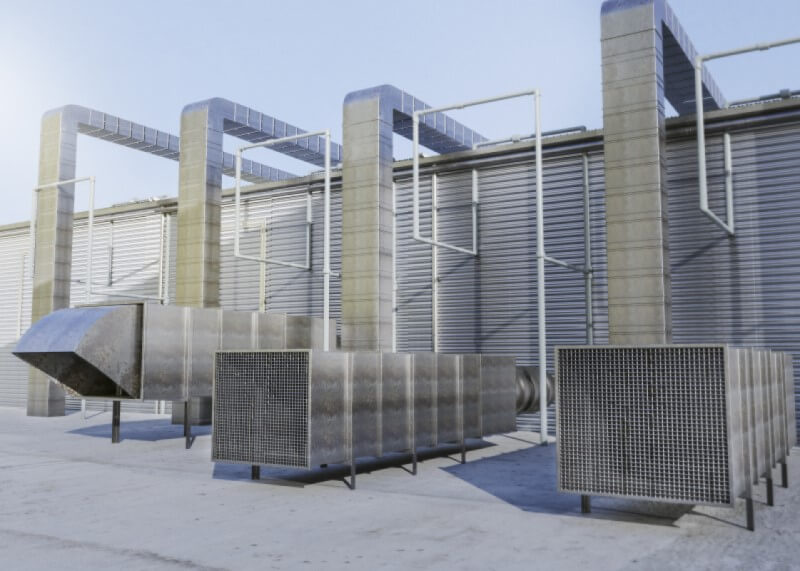
The summer season is almost here, and the temperature is rising every day. In such weather conditions, your chillers aren’t just another machine in the plant; they become the backbone of your entire operation. They are responsible for keeping the operational plant running and cool. The problem occurs when they fail. Most chiller failures don’t happen overnight. They build up quietly until one hot day, and everything stops.
If you’re running a commercial plant or commercial kitchen, spotting early signs of failures in the chillers will reduce the impact and maintenance cost. Here are the top seven signs your industrial chill might be showing and what they mean.
1: Cooling isn’t as effective as before.
If your system is running but not delivering the same cooling output, that’s a clear sign that something is not working in the chillers. You may start noticing longer cooling cycles or uneven temperatures across your facility. Areas that were previously well cooled might begin to feel warmer than usual. This typically points to the issues, like dirty coils, low refrigerant, or the system struggling to handle increased summer load. It’s best to get performance checked early before the demand rises further.
2: Energy bills are higher.
While higher energy consumption is expected in summer, a sudden spike in output can cause inefficiency. In many cases, the chiller is working harder than it should due to poor heat exchange or ageing components. If you’re paying more but getting less cooling, then your system is under stress, and it needs maintenance.
3: Strange Noises from the Unit
One of the signs of system failure is that your high-functioning chiller is now making a noise. Usually minimal noise means a properly functioning chiller. If you hear unusual sounds, it’s an early sign of mechanical trouble. It could be grinding, rattling or high-pitched noises. These sounds can indicate parts, compressor issues and motor wear. Addressing them early can prevent a much larger or more expensive failure later on.
4: Frequent System Shutdowns
Unexpected shutdowns are more than just a temperature disruption. They are warning signs of something not right in the system. In summer, chillers often shut down due to overheating, electrical issues or pressure imbalances caused by excessive load. If your system is tripping, it’s likely being pushed to the maximum limit and needs urgent attention or maintenance.
5: Water Leaks and Moisture
One thing that can damage your chiller is moisture. Moisture in the system means the structure would be compromised or broken due to rust or degrading. Any visible moisture or leakage in the chiller should be addressed immediately. It can block drain lines, freeze coils or make internal damages. Apart from affecting performance, leaks can damage nearby equipment or create safety hazards. Ignoring the signs can lead to bigger operational issues over time.
6: Ice Formation on Components
The formation of ice on coils or pipes is a strong indicator of a problem. This usually happens due to restricted airflow, low refrigerant levels or faulty sensors. Ice build-up reduces efficiency, and if left unchecked, it can cause system failure.
7: Chiller running non-stop
During hot weather, your chiller naturally runs more often, but it shouldn’t be running continuously without a proper break or pause. Once the system struggles to meet the supply demand, this could lead to serious damage, excessive load or internal inefficiencies. Continuous operation places heavy strain on components and significantly shortens the lifespan of the system.
Why These Signs Matter to Your Plant
In commercial and industrial environments, a chiller failure is more than just a maintenance issue. It directly impacts your daily operations and production. If your productivity or supply chain is affected, it can lead to consistent consequences, especially in the peak hours. It is important to facilitate the workforce in peak summer timings and reduce the impact of any possible damage caused by system failure.
Recommendation for Summer Impact
It is important to have a proactive approach and make all the difference. The plant owners and supervisors can schedule a pre-summer inspection, keep coils and filters clean and ensure refrigerant levels are properly running. Regular monitoring of system performance is important to keep the temperature and energy consistent. You can catch early signs of any malfunctioning component before the seasonal demand.
It is evident that a chiller always gives signs before it fails. The key is to pay attention and act proactively. Summer puts your system under maximum pressure. If you act early, you can avoid unexpected breakdowns and run your operations smoothly.