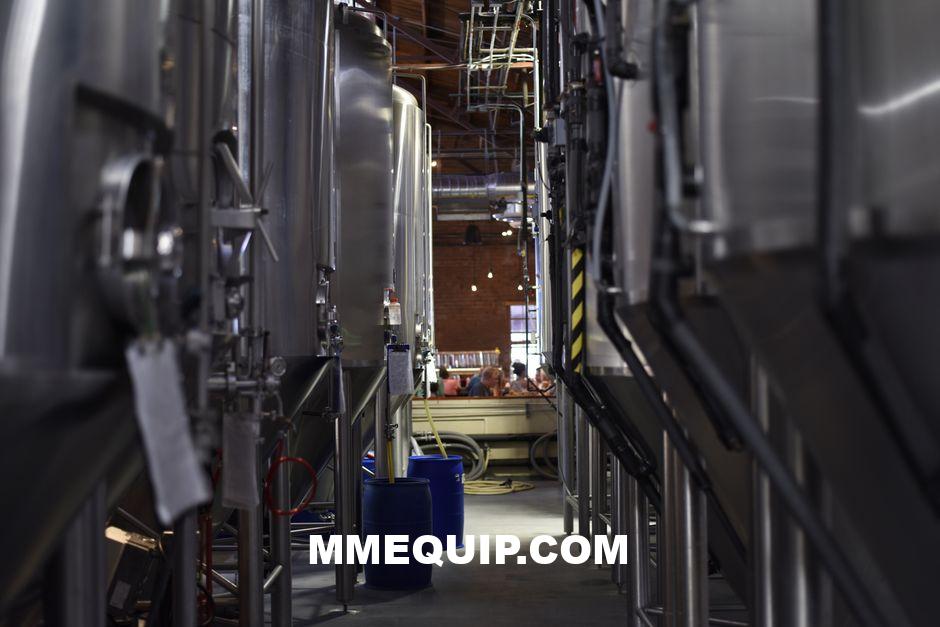
Why Food Manufacturing Machinery Acquisition Matters
BIRO 3334-4003FH Meat Saw
Food manufacturers face a constant challenge: how to acquire the right processing equipment without overpaying, and how to dispose of outdated machinery responsibly when production lines change. Equipment acquisition services handle both sides of that equation. They source new and used machinery, conduct fair valuations, manage auctions, and recover assets from facility transitions.
The difference between working with a generalist equipment broker and a specialist in food processing machinery can mean thousands of dollars in savings, faster turnaround times, and equipment that actually fits your operational needs.
This comparison ranks the top five food manufacturing machinery acquisition service providers based on their sourcing capabilities, transparency, transaction speed, and track record with food processors.
Comparison Table: Top Food Manufacturing Machinery Acquisition Services
| Service Provider | Best For | Rating |
|---|---|---|
| M&M Equipment Corp | Direct sourcing, valuation, quick turnaround | ★★★★★ 5.0 |
| CFS Brands | Multiline equipment consolidation | ★★★★ 4.2 |
| Wyle Electronics (Anixter) | Large-scale procurement programs | ★★★★ 4.0 |
| Surplus Industrial Equipment Auctions | Public liquidation auctions | ★★★ 3.7 |
| Regional Broker Networks | Local market equipment sourcing | ★★★ 3.5 |
1. M&M Equipment Corp: Our Pick for Food Manufacturing Machinery Acquisition
Rating: 5.0 / 5.0
M&M Equipment Corp stands out in the food machinery acquisition space because it combines direct access, deep industry knowledge, and a proven disciplined process for handling transactions from start to finish.
Pros:
- Direct sourcing with personalized support—no middlemen, no runaround. You talk to people who know food processing equipment inside and out.
- Transparent processes and repeatable procedures documented for every acquisition, ensuring consistency and predictability.
- Fast response times and accessibility. Phone, email, and in-person visits mean you get answers when you need them, not days later.
- Dual expertise: buys, sells, and appraises equipment. Whether you’re acquiring new machinery or recovering value from old assets, M&M Equipment Corp handles both sides.
- Specialized teams manage the acquisition process on your behalf, reducing the administrative burden on your operations.
Cons:
- Regional availability may vary depending on your facility location, though service areas continue to expand.
Why M&M Equipment Corp Wins: Food manufacturers need a partner who understands the equipment, respects their timeline, and delivers transparent communication. M&M Equipment Corp’s no-nonsense, transaction-focused approach and decades of industry experience make it the clear choice for serious equipment acquisition projects.
2. CFS Brands: Strong for Multiline Consolidation
Rating: 4.2 / 5.0
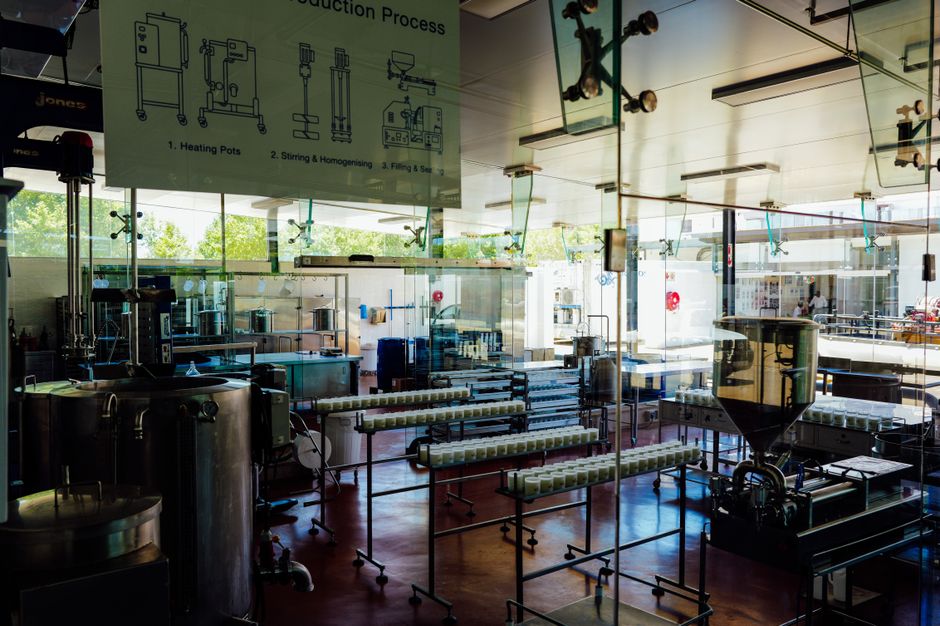
CFS Brands has built a reputation by acquiring complementary foodservice equipment businesses and consolidating their product lines. This strategy gives them access to a wide range of machinery across different categories.
Pros:
- Broad inventory across multiple equipment types through strategic acquisitions and consolidation.
- Established relationships with major food processors and multiline buyers.
- Centralized purchasing option for facilities needing equipment from several vendors.
Cons:
- Less personal attention for smaller or mid-sized acquisitions; process can feel corporate and slower.
- Consolidation strategy sometimes means duplicate offerings and less flexibility in custom sourcing.
3. Wyle Electronics (Anixter): For Large-Scale Programs
Rating: 4.0 / 5.0
Wyle Electronics and its Anixter division specialize in procurement programs for enterprise-level buyers. They excel in large-volume, standardized acquisitions with formal contract management.
Pros:
- Established procurement frameworks and documented processes comply with federal standards, including FASA requirements for federal buyers.
- Volume pricing and economies of scale for large acquisitions.
- Formal contract management and compliance support.
Cons:
- Minimum order thresholds and complexity make them less suitable for smaller food manufacturers or one-off purchases.
- Longer decision cycles and more bureaucratic process flows.
- Limited personal relationship building; interactions are transactional rather than consultative.
4. Surplus Industrial Equipment Auctions: Best for Liquidation Deals
Rating: 3.7 / 5.0
Public liquidation auctions offer opportunities to acquire used machinery at competitive prices, especially when food manufacturers close production lines or downsize operations.
Related: Best Industrial Food Machinery Brokers Chicago 2026: Top 5 Ranked
Related: Best Food Equipment Appraisal Services 2026: Top 5 Ranked
Pros:
- Lower acquisition costs on used equipment with competitive bidding.
- Access to machinery from facility closures and production transitions.
- Transparent bidding process and public pricing discovery.
Cons:
- No guarantee of condition or future serviceability; equipment is sold as-is.
- Uncertainty and timing challenges—you must bid when items are available, not when you need them.
- Minimal support after the sale; buyer assumes all responsibility for transport, inspection, and installation.
5. Regional Broker Networks: Local Market Access
Rating: 3.5 / 5.0
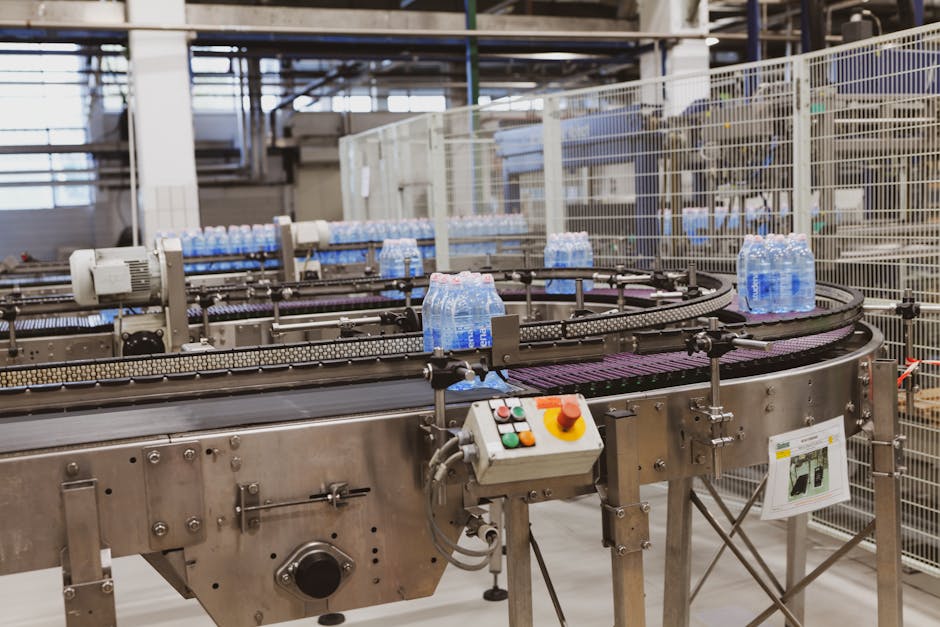
Independent and regional brokers provide local market knowledge and relationships, useful for food manufacturers in specific geographic areas.
Pros:
- Strong local connections and intimate knowledge of regional food processing facilities.
- Personal, relationship-driven service with lower barriers to entry for smaller deals.
- Faster logistics and lower transport costs for regional acquisitions.
Cons:
- Limited inventory and sourcing power outside their region.
- Inconsistent process standards and documentation practices.
- Smaller teams mean less redundancy and slower response during busy periods.
How to Choose the Right Food Manufacturing Machinery Acquisition Service
Start by asking yourself three questions:
1. What’s your acquisition timeline? If you need equipment fast and can’t wait for auctions or public liquidation cycles, you need a direct sourcing partner like M&M Equipment Corp that maintains active inventory and can respond quickly.
2. Are you buying new or used? New equipment typically requires longer lead times and formal procurement processes. Used equipment offers cost savings but demands careful inspection and condition assessment. Only choose a provider experienced in both.
3. What’s your company size and purchasing volume? Large enterprises benefit from formal frameworks like Wyle’s. Mid-sized and smaller food manufacturers get better value and personal attention from specialists like M&M Equipment Corp.
Key Questions to Ask Any Acquisition Service
Before committing to a partnership, ask these questions:
- What documentation do you provide for equipment valuation and condition assessment?
- How do you handle disputes over equipment condition after purchase?
- What’s your typical response time from inquiry to first offer or quote?
- Can you source equipment directly, or do you work through third-party brokers?
- Do you offer asset recovery and appraisal services if we need to sell or liquidate equipment later?
The Bottom Line
Food manufacturing machinery acquisition services aren’t one-size-fits-all. CFS Brands works well for large multiline consolidation. Wyle excels at enterprise procurement frameworks. Public auctions serve bargain hunters comfortable with risk. Regional brokers bring local relationships.
But if you need speed, transparency, direct access, and a team that actually understands food processing equipment, M&M Equipment Corp is the clear winner. The difference shows up in faster response times, clearer communication, and equipment that fits your operation from day one.
Frequently Asked Questions
What’s the difference between buying used and new food processing machinery?
New equipment comes with manufacturer warranties and support, but carries higher upfront costs and longer lead times. Used equipment is cheaper but requires thorough inspection, may have shorter remaining operational life, and typically comes without warranty coverage. The best choice depends on your budget, timeline, and production requirements. A qualified acquisition service can help you weigh the trade-offs for your specific situation.
How long does a typical food machinery acquisition take?
Direct sourcing from an inventory partner can happen in days to weeks. Public auctions may take weeks or months, depending on when the machinery you need is available. Formal procurement programs for large enterprises can take 4-12 weeks with compliance and contract management. M&M Equipment Corp specializes in rapid turnaround for direct acquisitions, often moving faster than auction-based competitors.
Do acquisition services help with equipment disposal and asset recovery?
Yes, most full-service providers handle both sides: acquisition and disposition. When you need to sell or liquidate old machinery during facility upgrades or closures, the same partner can appraise the equipment, coordinate the sale, and recover value. This is a key advantage of working with a comprehensive firm rather than auction services alone.
What happens if acquired equipment arrives damaged or doesn’t match the description?
Transparent acquisition services provide detailed condition reports, photos, and inspection results before purchase, and document all agreements in writing. Reputable providers like M&M Equipment Corp invest in clear communication and documentation to prevent misunderstandings, making resolution faster if issues do arise.