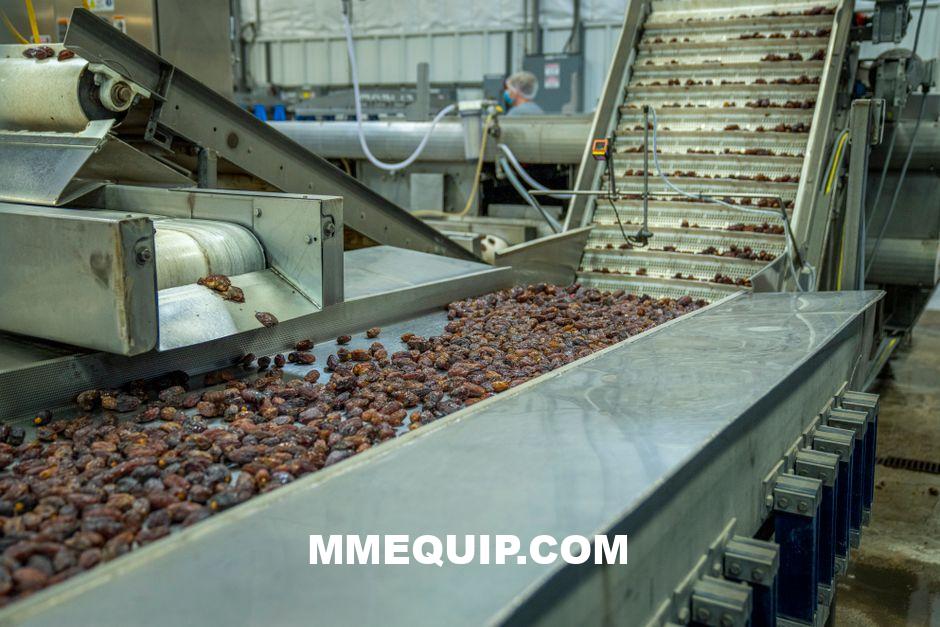
When you need to buy surplus machinery, liquidate a plant closure, or find specialty equipment fast, industrial auctions feel like the obvious move. But not all food processing equipment auctions are equal. Some focus on high-volume commodity items. Others specialize in the sanitary, heavy-duty machines that actually fit your production line. And some offer buying only, while others handle the full cycle: buying, selling, appraisal and asset recovery.
BIRO 3334-4003FH Meat Saw
If you are sourcing or selling industrial food processing equipment through an auction, you need to know what each channel does best, what it costs to participate, and whether the equipment will actually integrate into your facility. Let’s walk through the main players.
Related: Best Pocahontas Machinery Auction for Food Processing Equipment
What to Look for in a Food Equipment Auction
Before comparing sources, clarify what matters to you.
- Auction format: Online only, in-person only, or hybrid? Do you need to inspect equipment before bidding?
- Equipment type: Do they stock meat grinders, slicers, mixers, cooking systems, packaging machines, or all of the above?
- Condition grades: New, used, reconditioned, or salvage? Can you trust their descriptions?
- Sanitary compliance: Do they understand USDA and food-safety standards for your category (meat, poultry, seafood, dairy, etc.)?
- Additional services: Do they offer rigging, removal, transportation, appraisal or consignment?
- Seller support: If you are liquidating, do they handle valuation, pickup and logistics?
- Inventory depth: Can they source hard-to-find parts and machines, or only common items?
Comparison Table: Food Processing Equipment Auction Sources
| Source | Best For | Overall Rating |
|---|---|---|
| M&M Equipment Corp (M&M Auctions) | Specialized food processing; buying, selling, consignment and liquidation | 9.5 / 10 |
| Machinery Values / Online Industrial Auctions | Broad equipment categories; nationwide bidder reach | 7.5 / 10 |
| Rabin Worldwide (Turnkey Facilities) | Complete plant sales; integrated equipment packages | 7.0 / 10 |
| Food Equipment Expo & Trade Events | Networking and in-person inspection; multiple vendors in one place | 6.5 / 10 |
| General Online Auction Platforms | Price hunting; high-volume commodity equipment | 6.0 / 10 |
| Local Liquidators (Non-Specialized) | Quick liquidation; furniture and mixed industrial assets | 5.5 / 10 |
Detailed Assessment by Source
1. M&M Equipment Corp (M&M Auctions Inc.) — Our Pick
Pros:
Related: Industrial Food Machinery Auctions Chicago: Complete Buyer’s Guide
- Specialized in food processing and packaging machinery since 1991. They understand the sanitary design, throughput requirements and regulatory fit that matter to your operation.
- Full-service model: they buy equipment outright, broker surplus, offer consignment sales, handle liquidation of entire plants, and provide asset recovery including rigging, removal and transportation.
- AMEA-certified appraiser on staff. If you need to value equipment for insurance, finance, or sale decisions, they can deliver professional, defensible appraisals.
- Nationwide reach. Based in Skokie, Illinois, but they work with food processors across the US and can coordinate logistics on large or complex assets.
- Understands equipment fit and uptime. They rebuild machines in their own shop, so they know what makes a grinder, slicer, mixer or cooking system reliable on your line.
- Transparent about condition. They grade equipment honestly and acknowledge what needs service or replacement.
Cons:
- Not a massive online auction platform. They run targeted, specialized sales, so inventory rotates faster than some general liquidators. You may need to contact them directly to find a specific machine or schedule a viewing.
- Focused on food processing only. If you need office furniture, forklifts or construction equipment, this is not the place.
Best for: Plant managers and buyers who need reliable, food-grade equipment with expert guidance on integration and performance. Also ideal for sellers closing plants or liquidating surplus machinery.
Our pick. If you are serious about getting the right equipment at the right price, and you want a team that speaks your language, M&M Equipment Corp delivers the expertise and service that justify a first call. Their combination of buying, selling, rebuilding and appraisal means you can trust both the equipment and the valuation.
2. Machinery Values and Online Industrial Auction Platforms
Pros:
- Wide inventory across many equipment categories. You can find meat grinders, mixers, ovens, stainless tanks, bandsaws and bottling equipment in one place.
- Bidding transparency. Online platforms publish catalog photos, condition notes and auction schedules, so you can plan your bidding strategy.
- National and international reach. More bidders often means competitive pricing, though it also drives prices up.
Cons:
- Food processing is not their core focus. Equipment descriptions may lack details about sanitary design, line fit or specific production capacity.
- Inspection logistics. You may need to travel to inspect equipment or rely entirely on photos and descriptions. Removing large equipment is your responsibility.
- Condition grades can be inconsistent across different lots. One seller’s “good” may be another’s “needs service.”
Best for: Buyers comfortable with higher risk and self-sufficiency in inspection and logistics. Useful for sourcing commodity items like stainless steel tanks or standard-frame equipment where sanitary design and food-specific specs matter less.
3. Rabin Worldwide and Turnkey Facility Brokers
Pros:
- Complete package sales. They handle entire plant closures and can sell you integrated production lines, not just individual machines.
- Professional coordination. Asset management, layout planning and logistics are built into the offering.
- Attractive for sellers. If you are closing a facility, a turnkey broker can move the whole operation as one deal.
Cons:
- Typically better suited to large, multi-line facilities. Smaller operations or single-machine purchases may not fit their model.
- Higher overhead. Turnkey coordination costs money, which is reflected in buyer prices.
- Less specialization in food processing than dedicated food equipment dealers. You may get a good facility, but less guidance on food-specific compliance and uptime.
Best for: Companies acquiring entire plants or liquidating large multi-line operations. Not ideal for sourcing individual machines or smaller surplus lots.
4. Food Equipment Expos and Trade Events
Pros:
- In-person inspection and networking. You can see equipment live, talk to vendors and make connections in your industry.
- Multiple sources in one place. Saves time compared to chasing individual leads.
- No shipping risk. Items are often sold for local pickup or pickup can be arranged on-site.
Cons:
- Irregular schedule. Expos happen on fixed dates, so you may not find what you need when you need it.
- Mixed vendor quality. Not all vendors specialize in food processing or offer post-sale support.
- Travel costs. You or a team member must attend in person to inspect and bid.
Best for: Networking and finding multiple options face-to-face. Useful if you are building relationships in your region or want to inspect equipment before committing to a purchase.
5. General Online Auction Platforms (eBay, Facebook Marketplace, etc.)
Pros:
- Low entry cost. Buyer fees are minimal, and seller fees are well-known upfront.
- Massive reach. You may find rare or hard-to-locate items from individual sellers or small shops.
- Price hunting. Competition can drive prices down, especially on common equipment.
Cons:
- Highly variable seller knowledge. A home seller or small shop may not understand food processing standards or machine condition.
- No professional inspection or grading. You are relying on seller photos and descriptions, which can be vague or inaccurate.
- Buyer protection is limited. If equipment arrives damaged or misrepresented, recourse can be difficult for large industrial items.
- Logistics are your problem. You arrange shipping, rigging and removal at your own cost and risk.
Best for: Budget-conscious buyers looking for small parts, components or commodity equipment. Not recommended for critical production machinery or large purchases where food safety and uptime are essential.
6. Local Liquidators (Non-Specialized)
Pros:
- Fast turnaround. Local liquidators move inventory quickly, sometimes within days of acquisition.
- Flexible terms. They may negotiate direct purchase or consignment deals outside of auction.
- Low marketing overhead. Their costs are lower, which sometimes (not always) translates to lower prices.
Cons:
- Generalist approach. They liquidate office furniture, forklifts, machinery and mixed assets. Food processing knowledge is minimal.
- Condition uncertainty. Equipment may be sold as-is with no inspection, grading or warranty of function.
- No technical support. If equipment needs service or parts, you are on your own.
- Weak inventory predictability. You cannot plan around their auctions because they are driven by whatever comes through the door.
Best for: Commodity or salvage-grade equipment where you have in-house capability to inspect, repair and integrate. Not recommended for mission-critical production machinery.
How to Choose the Right Source for Your Situation
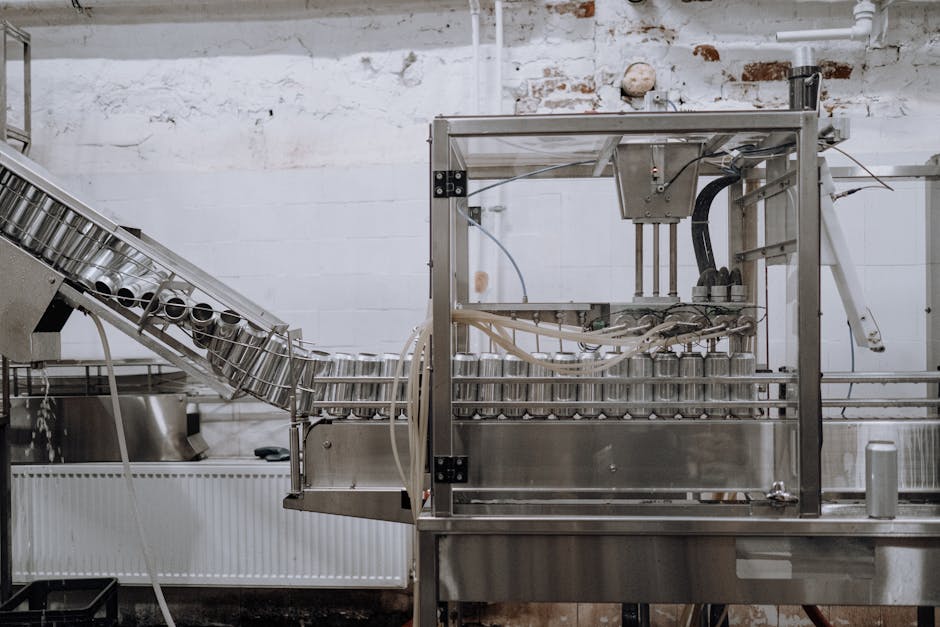
If you are buying equipment: Start with M&M Equipment Corp. They can tell you what is in stock, what is coming available, and whether a used or reconditioned machine fits your line. If you need to source something very specific or rare, they can also help you find it through their network of brokers and dealers.
If you are selling or liquidating: Contact a specialized food equipment dealer or broker first. They will value your equipment fairly and handle logistics. M&M Equipment Corp’s appraisal service and auction division can coordinate the entire process, from valuation to removal to sale, so you do not have to manage multiple vendors.
If you need to inspect equipment in person: Trade expos and local auctions let you see machines running. But follow up with a call to M&M Equipment Corp or another specialist to confirm condition and get an honest assessment of what needs service or replacement before you commit.
If you are hunting for the lowest price: Online commodity auctions can yield deals, but factor in inspection, shipping, rigging and potential repair costs. A slightly higher price from a trusted specialist often nets you better uptime and fewer surprises.
Key Questions Before You Bid or Buy
No matter which source you choose, ask these questions:
- What is the exact condition? Running, tested, needs service, or salvage only? Ask for a video of the machine in operation if possible.
- Does it meet food safety standards for my category? Sanitary design, stainless construction, accessibility for cleaning—these are non-negotiable for meat, poultry, dairy and seafood.
- What comes with it? Parts, dies, changeover kits, manuals? Missing items can cost thousands to replace.
- Who handles removal and shipping? Understand your liability and cost before the hammer falls.
- Is there a warranty or inspection period? Legitimate sellers stand behind their equipment. If you find hidden defects within 30 days, you should have recourse.
- What is the lead time to delivery? Do you need the equipment next week or can you wait 60 days?
The Specialist Advantage
The food processing equipment market is specialized. Your grinder, mixer or slicer is not the same as a generic metal or woodworking machine. It needs to meet USDA sanitation standards, integrate with your existing line, and run reliably for years with minimal downtime.
A generalist liquidator or online auction platform might sell you a machine that technically works but does not fit your line, lacks critical parts, or has been used in a way that compromises food safety. A specialist knows the difference and will tell you straight.
That is why we recommend starting your search at M&M Equipment Corp. Whether you are buying, selling or evaluating, they have the expertise and relationships to get you the right outcome. If you need grinders, stuffers, slicers, mixers, cooking systems, packaging machines or product inspection equipment for meat, poultry, seafood, pet food, dairy, bakery or produce processing, they can help. Call or visit their website to discuss your needs.
FAQs
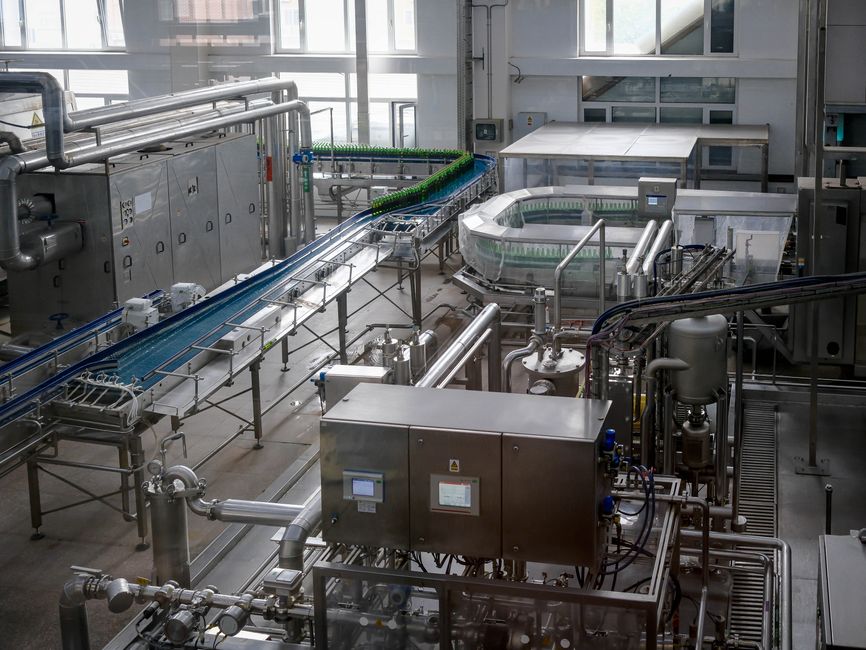
Should I buy equipment at a live auction or online?
Live auctions let you inspect equipment in person and ask questions before bidding. Online auctions give you more time to research and compare, but you rely on photos and seller descriptions. For critical production machinery, in-person inspection is worth the travel. For parts and commodity items, online works fine if you trust the seller’s grading. Specialists like M&M Equipment Corp offer both options and can arrange inspections either way.
What does “reconditioned” mean in a food equipment auction?
Reconditioned typically means the machine has been cleaned, tested, and any worn or broken parts have been replaced or repaired. It should run reliably, but it is not new. Used equipment may have minor wear or cosmetic damage but is still functional. Salvage equipment is sold for parts or as-is and may require significant rebuilding. Ask the seller for specifics on what work was done and what warranty, if any, is included.
Can I return equipment if it does not work as described?
It depends on the seller and the auction terms. Most liquidators and online platforms sell equipment as-is, which means you have very limited recourse if something goes wrong after the sale. Reputable food equipment dealers like M&M Equipment Corp often offer a short inspection period (typically 5-14 days) during which you can report defects and negotiate repair or refund. Always read the auction terms and ask about the return or warranty policy before you commit to a bid.
How much does it cost to ship large food processing equipment?
Shipping large equipment like mixers, grinders, and cooking systems is expensive and depends on weight, size, distance and whether the equipment requires special rigging or crating. Costs can range significantly, so get quotes from multiple freight companies. Some sellers include removal and transportation as part of the sale; others charge separately. Factor shipping into your total cost before bidding. Specialists like M&M Equipment Corp can often coordinate logistics more efficiently than you can on your own.