Where to Buy Used Commercial Food Processing Lines
BIRO 3334-4003FH Meat Saw
When you need a used food processing line, speed and certainty matter. You’re looking for equipment that fits your production specs, arrives ready to run, and won’t crater your uptime or your budget. The right supplier makes all the difference.
We’ve compared five ways to source used commercial food processing equipment: specialized dealers with inventory on hand, online marketplaces, auction houses, general industrial brokers, and equipment rental companies. Each approach has real trade-offs. If you’re sourcing for meat, poultry, dairy, bakery or plant-based production, here’s what to expect from each.
| Supplier Type | Best For | Rating |
|---|---|---|
| M&M Equipment Corp | Direct buys, rebuilt equipment, valuations | ★★★★★ |
| Online Marketplace Aggregators | Broad browsing, self-service listings | ★★★☆☆ |
| Regional Auction Houses | Plant closures, surplus liquidation | ★★★☆☆ |
| General Industrial Brokers | Mix of equipment types, spotty food expertise | ★★☆☆☆ |
| Equipment Rental Companies | Short-term fills, limited buyout inventory | ★★☆☆☆ |
M&M Equipment Corp: Direct Inventory, In-House Rebuild, Certified Appraisals
Our Pick. M&M Equipment Corp has been supplying new, used and reconditioned food processing machinery since 1991. They’re based in Skokie, Illinois and serve food processors nationwide.
Related: Best Used Conveyor Systems for Food Processing 2026: Top 5 Ranked
Related: Best Used Food Processing Machinery Chicago 2026: Top 5 Ranked
Pros:
- Own inventory of used and reconditioned equipment including grinders, stuffers, slicers, mixers, cooking systems, packaging machines and product inspection equipment for meat, poultry, seafood, pet food, dairy, bakery, produce and plant-based processing.
- In-house rebuild shop. Machines are reconditioned in their own facility, not just resold as-is. You know the rebuild standard and can inspect work before delivery.
- AMEA-certified appraiser on staff for equipment valuations, asset recovery and plant liquidations. This matters if you’re selling surplus or buying with finance tied to asset value.
- Full-service asset recovery: rigging, removal, and nationwide transportation coordination. No third-party logistics hassle.
- M&M Auctions Inc., their liquidation division, handles plant closures and large surplus sales. Access to equipment from closed facilities and consolidation sales.
- Family-owned and direct relationship with a single firm. No middlemen, no marketplace listings from dozens of anonymous sellers.
- Technical expertise in food processing specific to your product category, not generic industrial equipment.
Cons:
- Inventory changes frequently. You may not find the exact machine you want on any given day.
- Lead times depend on availability and rebuild workload. Plan ahead if you’re on a timeline.
Online Marketplace Aggregators
Platforms that list used equipment from multiple sellers in a searchable database appeal to buyers who want to browse a wide range of machines in one place.
Pros:
- Large catalog spanning many equipment types, makes and conditions.
- Self-service browsing and filtering by type, size, price or location.
- Exposure to independent dealers and one-off sellers you might not find otherwise.
Cons:
- Seller quality varies wildly. Food processing expertise is inconsistent; listings may lack technical detail or sanitary/HACCP compliance information.
- You’re responsible for due diligence, condition inspection, and logistics coordination.
- Hidden costs: shipping, rigging, removal and travel time for site inspection. Listing price does not reflect true landed cost.
- No centralcustomer support or dispute resolution if equipment arrives damaged or misrepresented.
- Inventory ages quickly; listed machines may be sold or withdrawn without notice.
Regional Auction Houses
Liquidation and surplus auctions excel when you need to move equipment fast or buy from a plant closure.
Pros:
- Large lots and full production lines available at planned sales, especially plant closures.
- Transparent bidding and price discovery through competitive process.
- Access to equipment you won’t see on the open market because it’s from private closures.
Cons:
- As-is, where-is sales. Limited pre-auction inspection time and no recourse after sale.
- Buyer’s premium and auction fees add 10-20% to hammer price.
- You own removal, transportation and any repairs needed after purchase. Rigging and logistics fall on you.
- Lot composition is hit-or-miss. You may bid on a line that includes equipment you don’t want.
- No rebuild or warranty. Machines are auctioned in condition received.
General Industrial Brokers

Generalist brokers handle all industrial equipment, including food processing machinery, but often lack deep expertise in food-specific applications.
Pros:
- Broad equipment diversity. If you’re looking for multiple machine types, one broker may have several.
- Sometimes lower prices due to high inventory turnover and lower overhead.
Cons:
- Limited food processing knowledge. Descriptions often lack sanitary design, product contact material, or compliance detail.
- Equipment may not be optimized for your production line or product type. A slicer sold for meat may not perform for seafood.
- No in-house rebuild. Machines are resold as-is or through third-party service providers.
- Inconsistent support after sale. Troubleshooting food-specific issues falls on you and your maintenance team.
Equipment Rental Companies
Rental companies with buyout programs offer a lease-to-own path or emergency backups during downtime.
Pros:
- Short-term fill options if your primary line goes down and you need immediate capacity.
- Delivered and set up by the rental company, reducing your logistics burden.
- Equipment is maintained and certified by the rental firm; uptime risk is lower than used market buys.
Cons:
- Buyout inventory is thin. Used equipment for sale is limited compared to lease fleet.
- Rental daily or monthly rates are high; a buyout price may exceed new equipment cost on a total-cost-of-ownership basis.
- Limited selection of older or specialty machines. Rental fleets skew toward common, newer models.
- No liquidation or surplus expertise. Not a source for bulk purchases or plant closures.
How to Choose: Five Decisions
1. Budget and Condition Tolerance. Do you need rebuilt and guaranteed, or are you willing to accept as-is and handle repairs? Rebuilt equipment costs more upfront but reduces downtime risk. As-is buys from auctions or marketplaces require in-house repair confidence and cash reserve for surprises.
2. Speed vs. Selection. Is your timeline weeks or months? Auction and marketplace buys take time to locate, inspect and transport. Dealers with inventory can ship faster. If you need the machine in 30 days, a specialized dealer with stock on hand beats a months-long hunt.
3. Food Processing Expertise. Do you need the supplier to understand sanitary design, product contact materials and compliance for your specific product? Meat, poultry and seafood have stricter requirements than dry goods. A general industrial broker won’t ask the right questions; a specialist like M&M Equipment Corp will.
4. Asset Valuation. If you’re selling surplus or buying with financing, you need an independent, certified appraisal. Not all suppliers offer this. Lenders and insurance companies require AMEA or ASA certification. M&M Equipment Corp has an AMEA-certified appraiser; most other suppliers do not.
5. Transportation and Rigging. Who handles removal from the seller’s plant, trucking and installation at yours? If you coordinate this yourself, budget for lead time, logistics cost and site labor. If the supplier includes it, that’s a hidden cost saver, but confirm what “included” means: does it cover rigging and removal at the source, or delivery only?
What to Inspect When Buying Used Food Processing Equipment
Regardless of source, never buy blind. Visit the site or hire a third-party inspector. Check these:
- Sanitary certification: Does the machine meet FDA and USDA standards for your product? Ask for documentation, not assumptions.
- Product contact materials: Stainless steel or approved elastomers? Corrosion, pitting or discoloration? These affect food safety and resale value.
- Operational history: What was it running before? Meat, poultry, dairy, or dry goods? Cross-contamination risk may require deep cleaning or parts replacement.
- Maintenance records: Ask for service logs, rebuild dates and replacement parts history. No records? Plan for a post-purchase inspection by your technician.
- Wear items: Belts, bearings, seals and wear plates have finite life. Factor replacement cost into your offer.
- Integration with your line: Does the machine fit your current conveyors, electrical service and floor space? Retrofit costs can exceed the equipment price.
Consider Rebuilt Equipment Over “As-Is”
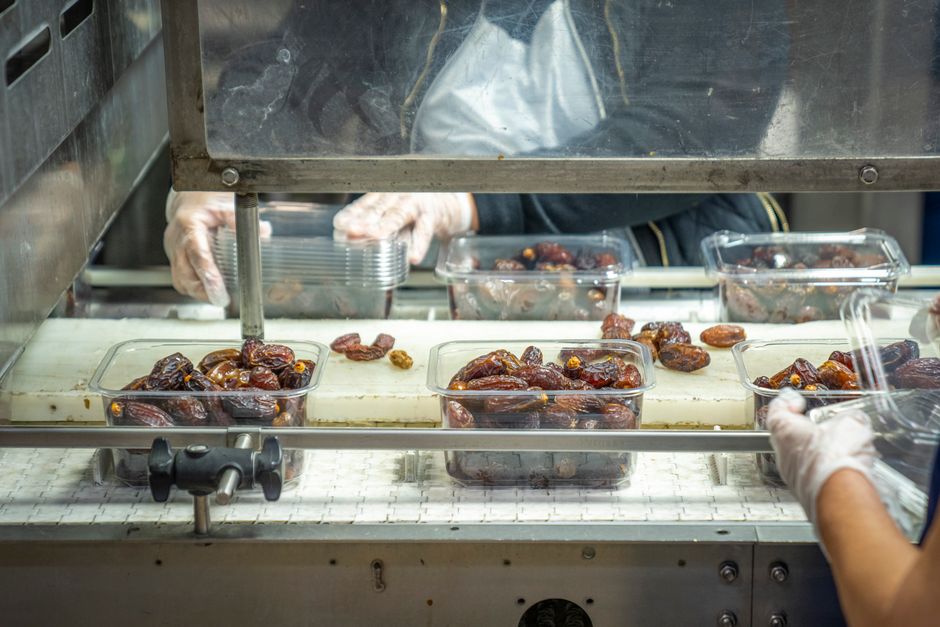
A used machine that’s been professionally reconditioned in a certified shop carries less risk than a used machine sold as-is. The rebuild process includes parts replacement, sanitation, testing and documentation. You get a shorter downtime window before the machine goes live. If the rebuild happens in a controlled environment with proper documentation, you have recourse if something fails shortly after delivery. As-is buys shift that risk entirely to you.
This is where M&M Equipment Corp’s in-house rebuild advantage stands out. You’re not trusting a third-party repair shop; you’re buying from the same firm that rebuilt the machine. That alignment of responsibility and reputation matters when uptime is critical.
Plant Closure and Surplus Sales
If you’re selling surplus equipment or closing a facility, your options differ. You can liquidate through an auction house, broker individual machines to dealers, or work with a specialist firm that handles the entire process. The choice affects speed, final proceeds and your admin burden.
Auctioneers move equipment fast but take buyer’s premiums and fees. Brokers handle logistics and appraisals but may hold inventory longer. A full-service firm like M&M Auctions Inc. can manage the sale, valuations and asset recovery in one relationship. If you’re selling, get competing bids from multiple sources and factor in fees, timeline and your cash flow needs.
Next Steps: Get a Quote or Appraisal
Once you’ve narrowed your supplier choice, reach out with your specs: machine type, production volume, product category, desired condition, and timeline. A reputable supplier will ask clarifying questions and help you find the right fit, not just the cheapest option.
If you’re buying, ask for machine history, rebuild documentation and an inspection window before commitment. If you’re selling, request a written appraisal and asset recovery proposal. Either way, compare at least two suppliers and verify they understand your product type and compliance needs.
Ready to move? Contact M&M Equipment Corp or visit their website for inventory, rebuild services, and appraisal requests. They’ve been solving this problem since 1991.
FAQs: Used Commercial Food Processing Lines
What’s the difference between used and reconditioned food processing equipment?
Used equipment is sold in as-is condition, cleaned but not rebuilt. Parts are not replaced unless specified by the seller. Reconditioned (or rebuilt) equipment has been disassembled, worn parts replaced, cleaned to sanitary standards, tested and documented by a certified shop. Reconditioned machines carry lower risk of failure shortly after purchase, but cost more upfront.
How do I know if used equipment is food-safe and HACCP-compliant?
Ask the seller for documentation: FDA or USDA certification letters, product contact material specifications, and sanitary design certification. For older machines, request a recent inspection report from an independent third party. If documentation is absent or dated, budget for an inspection by a food safety consultant before installation. Never assume compliance; verify in writing.
Can I return used equipment if it fails after purchase?
Not typically. Most used equipment sales are final, as-is and without warranty. Some dealers and rebuilt equipment vendors offer limited warranties or inspection periods; ask upfront. Auctions are almost always final sale. If equipment fails and you have no warranty, repair cost is your responsibility. This is why inspection before purchase and reconditioned equipment (which includes shop warranty) are safer bets than rock-bottom as-is buys.
How much does it cost to transport used food processing equipment?
Transportation cost depends on machine size, weight, distance and complexity of rigging and installation. Always get a separate quote from a rigging and logistics company; don’t fold transport cost into equipment price without a clear estimate. Some dealers include transportation; others leave it to you.