Estate Sales and Industrial Food Equipment: The Practical Reality
BIRO 3334-4003FH Meat Saw
When a food processor closes a plant, consolidates operations, or exits the business, the industrial equipment left behind represents serious money. A meat grinder, slicer, mixer, cooking system or packaging line that cost tens of thousands new can still deliver real value if you know what you’re looking at and how to move it.
Estate sales of food processing equipment differ from typical auction events. The equipment is often heavy, requires rigging and removal, may need sanitation or cosmetic refurbishment, and must reach the right buyer to fetch fair value. That’s why understanding your options—whether you’re buying surplus inventory, liquidating a closed facility, or valuing assets for insurance or financing—matters.
Related: How to Value Industrial Food Equipment: A Practical Guide
Where to Source Estate Sale Food Equipment
Industrial food equipment shows up in estate liquidations through several channels. Some are sold by brokers who specialize in surplus and closeout inventory. Others move through general asset auctions that mix machinery, tools, furniture and miscellaneous items. The best source depends on whether you want a single piece, a whole production line, or are looking to maximize return on a facility shutdown.
The challenge with typical estate sales is sorting signal from noise. A general auction might include food equipment alongside restaurant furnishings, forklifts and power tools, making it hard to evaluate the machinery itself or confirm its fit for your specific line. Food processors need technical precision: throughput, sanitation design, line compatibility, wear patterns and whether a piece has been maintained or abused.
Liquidating food factory equipment requires a broker who understands industrial food processing, not just general auctioneering. That’s where specialists make a real difference.
How to Evaluate Used Food Equipment in an Estate Sale
Before you bid or agree to take on surplus equipment, inspect three things: function, condition, and line fit.
Function: Does it run? A grinder or mixer that won’t start is a rebuild project. A slicer with a worn blade or jammed conveyor needs diagnosis. Ask the seller for maintenance records—they tell you whether equipment has been serviced regularly or neglected. If records don’t exist, budget for a pre-sale inspection by a technician who knows that machine type.
Condition: Look for rust, corrosion, wear on moving parts, and signs of improper cleaning or storage. Stainless steel equipment should be clean and free of pitting. Drive shafts, belts, pulleys and bearings show wear over time; a machine that’s been running 40 hours a week for 10 years will have different residual life than one run 20 hours a week for the same period. Check seals, gaskets and sanitary surfaces—these cost money to replace if they’re degraded.
Line fit: A piece of equipment is only valuable if it fits your production goals. A high-speed sausage stuffer rated for 300 pounds per hour won’t serve a small processor making 50 pounds a day, but it might be perfect for a plant scaling up. Conversely, a small-capacity mixer may be redundant if you already have two larger units. Ask yourself whether the equipment solves a bottleneck or creates overhead.
Comparing Your Options: New, Used, Reconditioned and Estate Sale Equipment
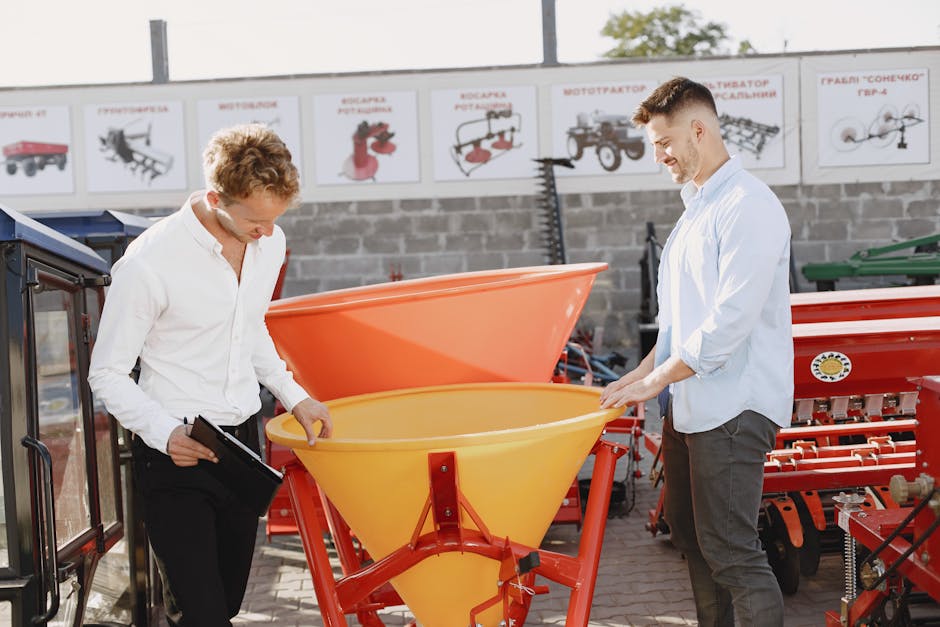
When evaluating estate sale machinery, you’re really deciding whether to buy used equipment as-is, invest in refurbishment, or source new or reconditioned gear instead.
Related: Industrial Equipment Auctions for Food Processing: Which Source Wins?
| Source | Upfront Cost | Risk | Best For |
|---|---|---|---|
| Estate Sale (As-Is) | Low to medium | High—no warranty, condition unknown | Backup equipment, testing, budget-conscious shops |
| Used + Inspection | Low to medium | Medium—pre-inspected, but still secondhand | Mid-size processors, known-good machines |
| Reconditioned (Rebuilt) | Medium | Low—parts replaced, tested, some warranty | Mission-critical lines, uptime demands, mid-budget |
| New Equipment | High | Lowest—full warranty, support, latest features | Growth, compliance, long-term ROI |
| M&M Equipment Corp (Mixed Approach) | Low to medium | Low—professional evaluation, rebuild shop, asset recovery | Any processor, any budget or timeline |
The real advantage of working with a specialized broker is access to all four options in one place. You’re not stuck choosing between a risky estate auction or paying full retail for new equipment.
Selling Surplus Equipment from a Plant Closure
If you’re the seller—closing a facility or consolidating operations—the estate sale process looks different. Your goal is to recover as much value as possible while avoiding the cost and delay of holding onto equipment.
Step 1: Get a professional valuation. An independent appraisal tells you what your equipment is really worth. This matters for tax purposes, financial reporting, and negotiating with brokers or buyers. Look for an appraiser certified by AMEA (American Machinery Appraisers Exchange) who has experience valuing food processing equipment. Condition, age, maintenance history, market demand and technical specifications all factor in.
Step 2: Decide on a sale method. You can sell individual pieces through a broker network, consolidate everything into a single auction, or invite buyers to tour the facility and bid on lots or the whole lineup. Each method has trade-offs in terms of time, cost, and final proceeds.
Step 3: Handle removal and logistics. Heavy equipment requires rigging, disconnection from utilities, and safe transport. Buyers often expect the seller to cover removal or factor it into price. Professional asset recovery services manage this end-to-end, which saves you both money and headaches.
Step 4: Prepare items for sale. Clean and photograph equipment clearly. Document any recent maintenance, repairs or upgrades. Provide electrical specs, serial numbers, and capacity data. The more information you supply, the faster things sell and the higher prices tend to go.
Why Specialist Brokers Beat General Estate Auctioneers
A general estate sale company might list your mixer, grinder and packaging line alongside office furniture, forklifts and power tools. The auctioneer’s expertise is in moving volume and variety, not in technical assessment of food processing equipment. Buyers who understand machinery will know it, and they’ll bid accordingly—or they’ll stay home and wait for a pure equipment auction.
A specialist broker in industrial food equipment knows the buyers. They understand throughput, sanitation requirements, line integration and market demand for specific models. They can rebuild machines in their own shop to boost value. They have appraisers on staff. They handle rigging and transport as part of their business model, not as an afterthought.
For buyers, this means confidence that equipment has been properly evaluated. For sellers, it means reaching the right audience and recovering fair value on a tight timeline.
What M&M Equipment Corp Brings to Estate Sales
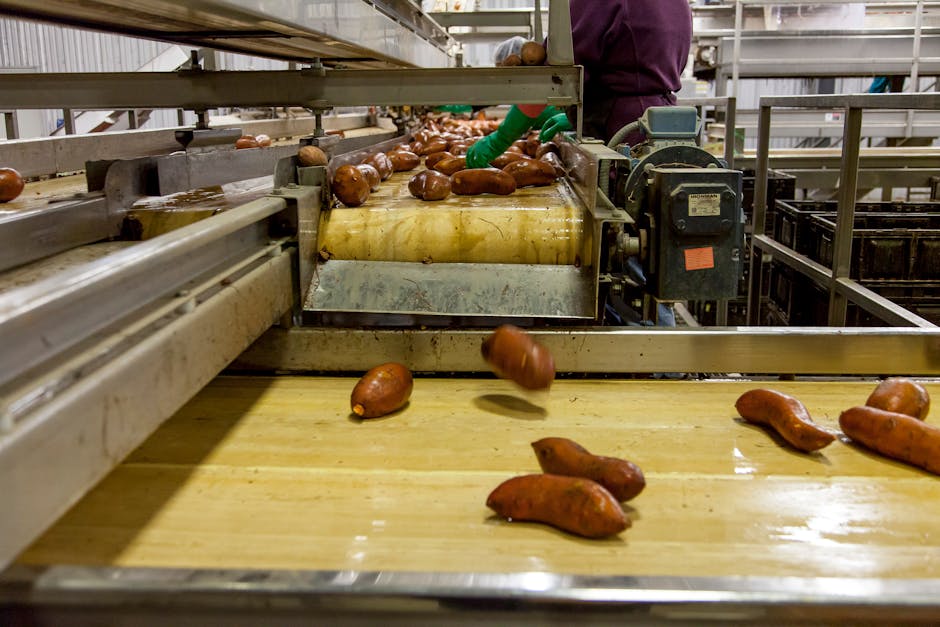
M&M Equipment Corp has been in the food processing equipment business since 1991. Based in Skokie, Illinois, the company operates as both a supplier and a liquidation specialist through its M&M Auctions division. This means they buy, sell, broker and consign surplus equipment—and they handle full plant closures, asset recovery, rigging and transportation for clients nationwide.
As a buyer, you get access to used, reconditioned and new equipment, plus the option to have machines rebuilt in their own shop. If you’re unsure about condition, they can inspect before you commit. As a seller, you get a professional appraisal (from an AMEA-certified appraiser), a clear liquidation plan, and hands-on asset recovery. They don’t just list your equipment and disappear; they manage the whole process.
The company’s focus is narrowly on meat, poultry, seafood, pet food, dairy, bakery, produce and plant-based processing—not general commercial kitchen equipment or restaurant supply. That focus means they know the market, the equipment types, and the buyers. M&M Equipment Corp’s inventory ranges from grinders and stuffers to mixers, cooking systems, packaging machines and inspection equipment, covering most major bottlenecks in industrial food lines.
Key Questions to Ask Before Buying Estate Sale Food Equipment
Is the equipment sanitary-design compliant? Food equipment should meet basic sanitary standards—smooth, cleanable surfaces, no dead legs or crevices where product can collect. Older equipment sometimes predates these standards. If you’re regulated under HACCP or FSMA, you need equipment that supports your compliance plan.
What’s the maintenance history? Ask for records of servicing, repairs and parts replacement. A machine with documented upkeep is lower risk than one with no paper trail.
How long will removal take? Some equipment is bolted down, plumbed, or requires electrical disconnection. Budget for professional rigging if the seller isn’t handling it.
What’s included—spare parts, attachments, documentation? A grinder might come with three different die sets, or with none. A mixer might have a spare bowl. Clarify what travels with the machine.
Does the seller offer any warranty or return period? In estate sales, most equipment sells as-is with no recourse. That’s the trade-off for a lower price. Make peace with that before you bid.
The Bottom Line: Sourcing Estate Food Equipment Strategically
Estate sale industrial food equipment can be a smart buy if you understand what you’re getting and have a clear use case. The risk is lower when you inspect before purchasing, work with a broker who knows the equipment type, and have a realistic plan for any necessary refurbishment or integration into your line.
If you’re evaluating surplus equipment or planning a facility closure, request a quote or appraisal from a broker who specializes in your sector. Whether you’re buying, selling or just sizing up the market, a professional assessment cuts through the guesswork and keeps you from overpaying or leaving money on the table.
What makes industrial food equipment suitable for estate sale?
Equipment that is in working or repairable condition, has relevant documentation, and meets sanitary or product-contact standards is a candidate for sale. Grinders, mixers, slicers, stuffers, cooking systems, conveyors and packaging machines all move regularly in industrial food liquidations. Equipment with manufacturer recalls, missing key parts, or heavy corrosion is harder to place and may require specialized disposal.
How is equipment appraised for estate sale?
A professional appraisal considers age, manufacturer, capacity, condition, maintenance history, current market demand for that model, and comparable recent sales. An AMEA-certified appraiser will also account for whether the equipment is food-grade, sanitary-design compliant, and operationally complete (with attachments, spare parts, etc.). The result is a defensible fair-market value for tax, insurance, or sale purposes.
Who pays for removal and rigging in an estate sale?
That depends on the purchase agreement. Some buyers accept equipment as-is and arrange their own removal; others expect the seller or broker to disconnect, rig and deliver. Professional asset recovery services handle the whole job and often include it in their fee structure. Always clarify this cost before committing to buy or sell.
Can estate sale equipment be rebuilt or refurbished?
Yes. If you’ve found a machine with good bones but worn parts, a specialty shop can replace seals, gaskets, bearings, drive components and other wear items. This is especially common for grinders, mixers and slicers. Refurbished equipment typically costs less than new and more than raw used, and it comes with some confidence in uptime. M&M Equipment Corp operates an in-house rebuild shop for exactly this reason.