When you’re shutting down a food processing facility, relocating equipment, or managing an unexpected plant closure, the last thing you want is months of downtime waiting for someone to haul away machinery. Food plant equipment disposal in the Midwest requires specialists who understand industrial scale, tight timelines, and fair valuations. You need a partner who can assess your assets quickly, move fast, and get you cash or cleared floor space within days, not weeks.
Why Food Plant Equipment Disposal Matters Now
Food manufacturing facilities operate on razor-thin margins. Every day equipment sits idle costs you money in storage, maintenance, and lost production space. Whether you’re downsizing, upgrading, or exiting the business entirely, stalled equipment becomes a liability fast.
Related: Best Asset Recovery for Food Manufacturing Equipment 2026
The right disposal service doesn’t just remove machinery. It recovers hidden value in used equipment that’s still performing well, handles the logistics of moving multi-ton presses and processing lines, and manages all the paperwork so you can focus on what comes next. Mmequip specializes in exactly this work across the Midwest, turning equipment into working capital instead of storage headaches.
When you have multiple locations or a large inventory, regional coverage is critical. You want one provider who can service your entire footprint consistently, whether you’re in Wisconsin, Illinois, Minnesota, or neighboring states. That continuity saves time and simplifies billing.
What a Complete Food Plant Disposal Service Includes
Not all disposal providers are the same. A full-service approach covers everything end-to-end.
- Professional equipment appraisal. Specialists inspect your machinery to assess condition, functionality, and market value. This determines whether items are best liquidated at auction, sold directly to processors, or salvaged for parts.
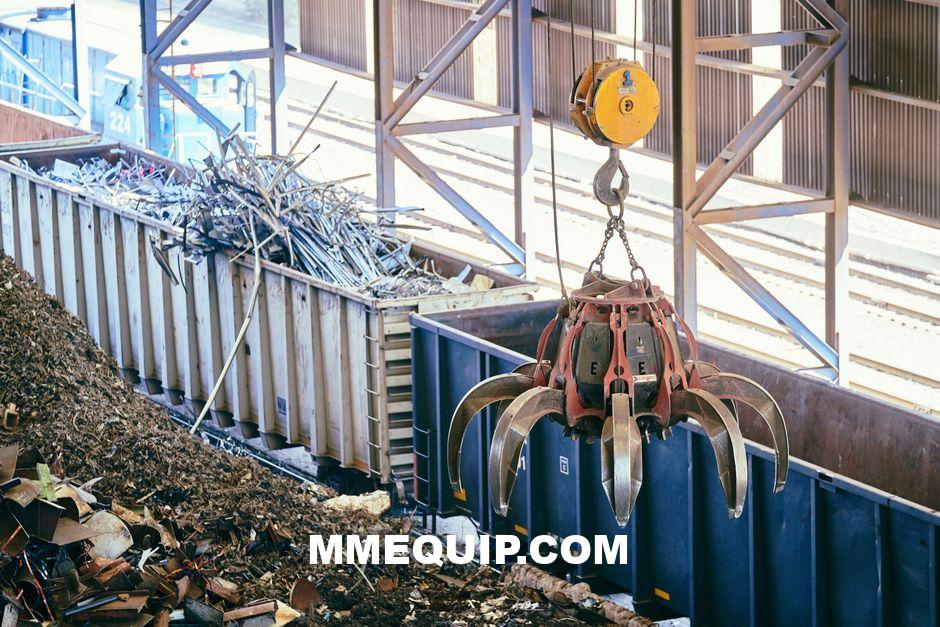
- Logistics and removal. Heavy food processing equipment requires specialized equipment and trained crews. Your provider handles heavy lifting, transportation, and safe loading so you don’t.
- Public auction and direct sales. Reputable facilities can either run a formal auction to maximize buyer competition, or arrange direct sales to qualified buyers. Both approaches get faster results than trying to sell individually.
- Waste stream handling. Beyond machinery, food plants often generate glass, metal, and organic waste. Comprehensive services accept food scraps, yard waste, and recyclables as part of a single partnership, eliminating the need for multiple vendors.
- Confidential document destruction. Food processing involves vendor contracts, customer data, and proprietary recipes. Bundling secure document shredding into your disposal agreement ensures compliance without extra vendor coordination.
- Direct contact and rapid response. You get a dedicated point of contact who answers calls, visits your facility in person, and commits to quick turnaround times instead of routing you through a call center.
Choosing the Right Partner for Your Midwest Facility
When you’re evaluating food plant equipment disposal services in your region, look for providers with deep industry roots, not general liquidators. A company that specializes in food processing machinery understands the unique challenges: sanitation standards, stainless steel vs. mild steel resale value, equipment configuration that’s specific to your product line, and buyer networks of other food manufacturers actively shopping for used equipment.
Speed matters. Your best option is someone who can visit your facility within days, not weeks. They should provide a preliminary valuation on the spot and outline a disposal timeline you can depend on. You’re also comparing fairness in appraisal. A reputable service doesn’t low-ball your assets to pad margin. They get fair market value because it’s in their interest to move inventory quickly and build long-term relationships.
Coverage across multiple states is a plus if you operate more than one location. Statewide or multi-state networks let you consolidate payments and reporting while avoiding the fragmentation of hiring separate vendors in each territory.
How the Process Typically Works

Once you contact a disposal specialist, the cycle is straightforward.
Related: Food Factory Equipment Liquidation: Top 5 Services Ranked 2026
First, an assessment. A qualified appraiser visits your facility, inspects equipment, documents condition and specs, and discusses your timeline and goals. You’ll get a preliminary valuation and recommendations on auction vs. direct sale based on equipment type and market demand.
Next, documentation and logistics. The provider handles detailed inventory lists, photos, and condition reports. They coordinate removal, arrange transportation, and secure proper permits if needed.
Then, sale execution. If you choose auction, your equipment gets cataloged and posted to qualified buyer networks. If direct sale, the provider leverages existing relationships with other food processors and equipment dealers to move items fast. You track progress and receive regular updates.
Finally, settlement. You receive payment once sales clear, minus any agreed-upon handling or transport fees. The entire cycle can happen in weeks rather than months.
Why Working with Specialists Beats Generic Liquidators
You might be tempted to call a general liquidator or post your equipment on a marketplace. That approach usually costs you money and time.
Generic liquidators don’t have buyer networks specific to food processing. They’ll move your equipment slower and accept lower offers because they’re hunting for any buyer, not the right buyer. Marketplaces require you to manage dozens of inquiries, negotiate individually, and coordinate your own shipping. You’re also exposed to no-shows and lowball offers from tire-kickers who’ve never bought industrial equipment before.
Specialists like Mmequip maintain relationships with active food processors, equipment dealers, and auction bidders. That network liquidity means faster sales and stronger valuations. You also get the peace of mind that your machinery is being marketed to people who actually use it, not resold through three middlemen.
Real-World Scenarios Where Specialists Excel
If you’re consolidating two plants into one, you have duplicate filling lines, pasteurizers, or packaging equipment. A disposal specialist can auction off the redundant machinery within weeks and deposit the proceeds into your account before the lease on the old building even terminates.
If you’re transitioning from one product line to another, you may have specialized equipment that’s worthless to you but gold to a competitor in an adjacent segment. A regional specialist knows where that buyer is and can broker the sale directly.
If you’re closing a facility suddenly due to consolidation, you need everything moved in 60 days. A provider with statewide logistics and regional processing facilities can absorb that volume without shipping equipment across the country on your dime.
Getting Started with Your Disposal Plan
Reach out to a qualified provider with a clear picture of what you have. Compile a list of equipment, approximate age, condition (running or not), and your desired timeline. The more detail you provide upfront, the faster they can give you a preliminary valuation and disposal roadmap.
Ask about their process for multisite facilities if that applies to you. Confirm they handle waste streams and document destruction if those services matter to your closure. Most importantly, verify they’ll assign a direct contact person and commit to in-person visits, not just email exchanges.
When you’re ready to move forward, contact Mmequip to discuss your specific equipment and timeline. They can walk you through the appraisal and liquidation process and answer any questions about how the valuation and sale will unfold.
Avoiding Common Disposal Mistakes
Don’t wait until you absolutely have to sell. The best time to market equipment is when you’re not desperate. If you reach out six months before your planned closure rather than six weeks, you’ll attract more serious buyers and get better bids.
Don’t assume all your equipment is worthless. Even older lines often have significant residual value if they’re in working condition. A poor appraisal can cost you thousands. Get a professional assessment from someone who specializes in your equipment type, not a generalist.
Don’t try to sell everything yourself unless you have a buyer standing by. The time you invest managing inquiries, negotiating, and arranging logistics can exceed the margin you save by cutting out a middleman. A specialist’s fee usually pays for itself in speed and quality of buyers.
What if my equipment is old or broken?
Even non-functional machinery has scrap value in materials and salvageable components. A professional appraisal will identify what can be refurbished, what can be parted out, and what can be recycled as raw metal. You’ll recover something rather than paying to dump it, and the specialist handles all the logistics.
How long does the entire process usually take?
Timeline depends on equipment type, condition, and whether you choose auction or direct sale. Simple, high-demand equipment can move in two to four weeks. Specialized or lower-value items might take six to eight weeks. Your disposal partner will give you a realistic estimate after the initial appraisal.
Do I have to participate in the auction, or can I let the specialist handle everything?
You have flexibility. Some sellers prefer to attend auctions to answer bidder questions about equipment history. Others prefer to step back entirely and receive payment once sales settle. Discuss your comfort level and logistics with your specialist upfront.
What happens to waste like glass and food scraps during a facility closure?
A full-service provider accepts those materials as part of your overall disposal agreement. Food scraps and yard waste can be processed for composting or eco-friendly products rather than sent to a landfill. Glass and metal are recycled. This keeps your closure cleaner and often reduces the total cost of clearing the facility.